Get Radon Gas Abatement in Tucson, AZ
Radon Gas Abatement services for Tucson-area property owners address elevated radon levels through mitigation, sealing, and ventilation projects to improve indoor air safety.
Radon gas abatement services are essential for property owners in Tucson, AZ who want to ensure a safe and healthy living environment. Radon is a naturally occurring radioactive gas that can accumulate indoors, especially in areas with tight building envelopes or poor ventilation. Professional radon mitigation helps reduce indoor radon levels effectively, providing peace of mind for residents and safeguarding long-term health. By addressing radon concerns, property owners can also enhance the overall comfort and functionality of their homes, making them safer and more inviting spaces.
Choosing radon gas abatement services can also offer benefits related to durability and curb appeal. Proper mitigation solutions can prevent potential structural issues caused by moisture or gas buildup, contributing to the longevity of a property. Additionally, reducing radon levels can improve indoor air quality, which may lead to lower maintenance needs over time. These services help maintain a home's value and appearance, making it a more attractive and secure place to live. Contacting experienced local service providers ensures that mitigation efforts are tailored to the specific needs of Tucson homes and properties.
- Radon Gas Abatement - homeowners in areas with elevated radon levels may seek abatement services to reduce indoor radon concentrations.
- Radon Testing and Mitigation - property owners planning to buy or sell a home in Tucson, AZ, or nearby regions might need radon testing and mitigation solutions.
- Indoor Air Quality Improvement - residents experiencing health concerns linked to indoor radon exposure often look for professional abatement services.
- Real Estate Transactions - real estate professionals may recommend radon mitigation services during property inspections or before closing deals.
- New Construction Radon Prevention - builders and contractors constructing new homes may require radon mitigation strategies to ensure safe indoor environments.
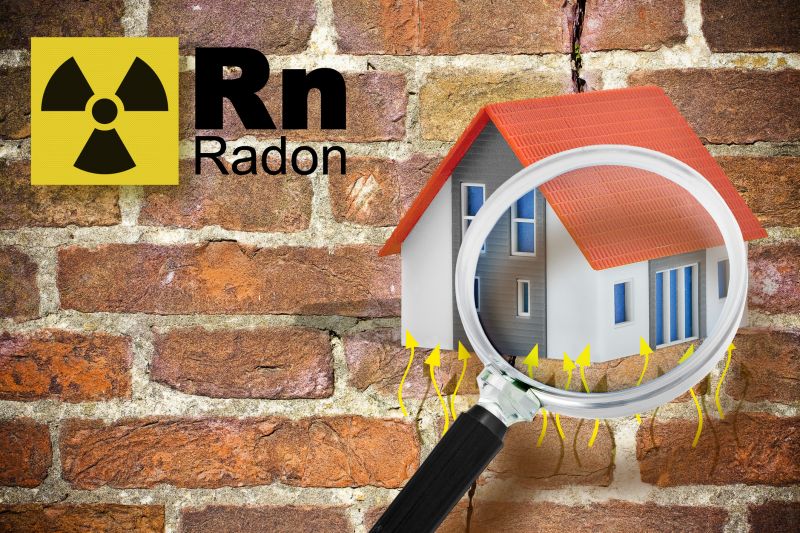
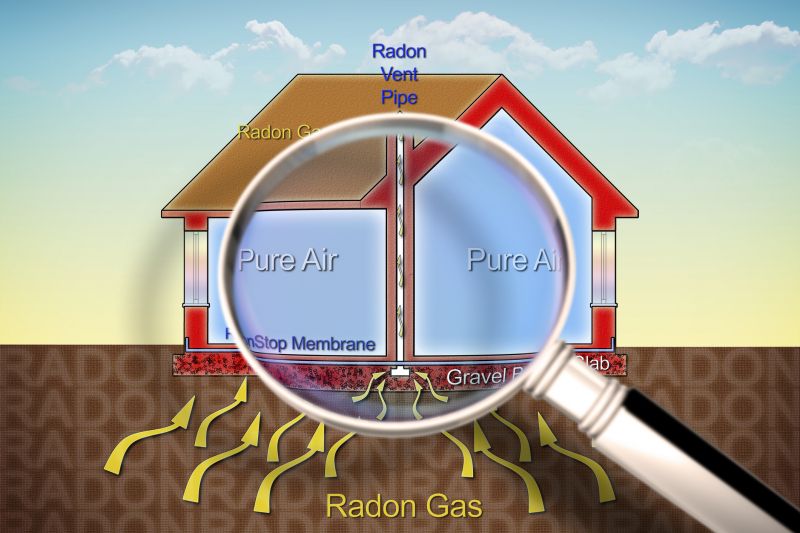
Radon gas abatement services involve identifying and reducing radon levels within indoor environments. These services typically include testing for radon concentrations, evaluating the ventilation systems, and implementing mitigation techniques to lower radon presence. The goal is to create a safer indoor atmosphere by controlling radon levels, which can be achieved through specialized systems designed to vent radon gases outside the property. Professionals in this field assess the unique characteristics of each property to determine the most effective approach for radon reduction.
Radon gas is a naturally occurring radioactive element that can accumulate indoors, especially in enclosed or poorly ventilated spaces. Elevated radon levels are linked to an increased risk of lung cancer, making mitigation services essential for health and safety. Radon abatement helps address these concerns by reducing the radon concentration to safer levels, often through the installation of venting systems or sealing cracks and openings in the foundation. These services are particularly valuable in regions with high radon prevalence or in properties where initial testing reveals elevated levels.
Properties that typically utilize radon gas abatement services include residential homes, especially those with basements or lower levels, as well as multi-family dwellings. Commercial buildings, such as offices or retail spaces, may also require radon mitigation if testing indicates high levels. New constructions might incorporate radon-resistant features from the outset, while existing structures often need retrofitting to address radon issues. The selection of appropriate mitigation techniques depends on the property's design, foundation type, and radon levels.
Engaging with local radon abatement service providers allows property owners to access tailored solutions for reducing radon exposure. These professionals conduct thorough assessments and recommend suitable mitigation methods based on the specific needs of each property. Whether addressing a single-family home or a larger commercial building, working with experienced service providers ensures that radon levels are managed effectively, contributing to healthier indoor environments.
The overview below groups typical Radon Gas Abatement projects into broad ranges so you can see how smaller, mid-sized, and larger jobs often compare in Tucson, AZ.
In many markets, a large share of routine jobs stays in the lower and middle ranges, while only a smaller percentage of projects moves into the highest bands when the work is more complex or site conditions are harder than average.
Initial Inspection and Testing - The cost for radon testing and inspection typically ranges from $150 to $300. Prices vary based on the size of the property and testing method used, with larger homes generally costing more.
Mitigation System Installation - Installing a radon mitigation system usually costs between $800 and $2,500. Factors influencing the price include home size, foundation type, and complexity of the installation process.
System Components and Materials - The price for system components such as fans, piping, and seals can add $200 to $600 to the overall cost. Higher-quality or specialized materials may increase expenses further.
Post-Installation Testing and Verification - Follow-up testing to ensure radon levels are reduced typically costs around $100 to $200. This step confirms the effectiveness of the mitigation system installed by local service providers.
Actual totals will depend on details like access to the work area, the scope of the project, and the materials selected, so use these as general starting points rather than exact figures.
Radon mitigation systems are installed to reduce radon levels in residential and commercial buildings, improving indoor air quality. Local service providers can assess and implement effective solutions tailored to specific property needs.
Radon testing services identify the presence and concentration of radon gas within indoor spaces, helping property owners determine if abatement measures are necessary.
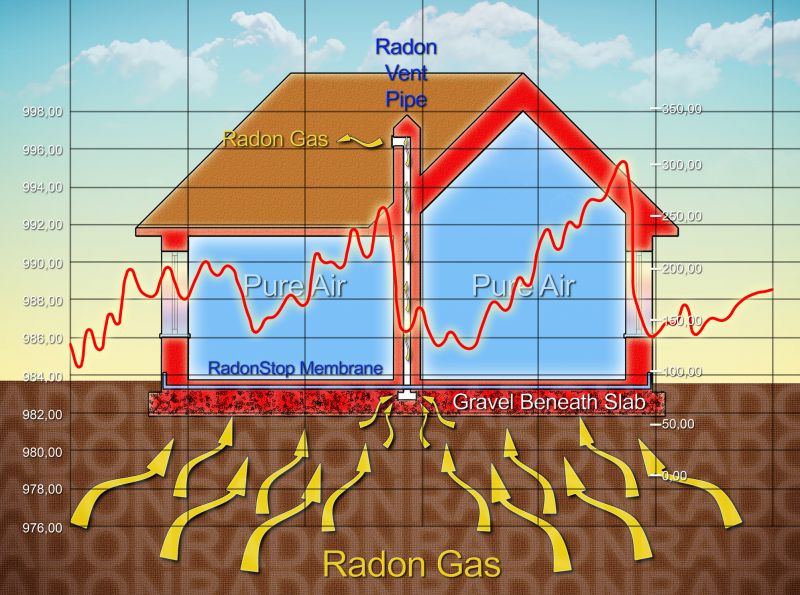
Sub-slab depressurization systems are commonly recommended to vent radon from beneath the foundation, preventing it from accumulating inside the building.
Sealing and ventilation improvements are part of radon reduction strategies, which local pros can evaluate to enhance the effectiveness of mitigation efforts.
Foundation sealing services aim to minimize radon entry points by sealing cracks and gaps, often used in conjunction with other mitigation techniques.
Indoor air quality assessments by local specialists can help determine radon levels and recommend appropriate abatement solutions for homes and businesses.
When evaluating Radon Gas Abatement service providers, it’s important to consider their experience in handling radon mitigation projects within the local area. Homeowners should look for contractors who have a proven track record of successfully completing projects similar in scope and complexity. Reputable providers often have a portfolio of past work or references that demonstrate their familiarity with local building codes and soil conditions, which can influence the effectiveness of radon reduction methods.
Clear communication of written expectations is another crucial aspect when choosing a radon mitigation specialist. Pros should be transparent about the scope of work, the methods they plan to use, and any potential disruptions during the process. A detailed, written estimate or proposal can help ensure that homeowners understand what will be done and can compare options effectively. This transparency helps establish a professional relationship and minimizes misunderstandings throughout the project.
Reputable radon abatement service providers are also characterized by their references and reputation within the community. Homeowners are encouraged to seek out local pros with positive feedback from previous clients, which can often be verified through referrals or online reviews. Effective communication and responsiveness are also signs of a trustworthy contractor, as they ensure questions are addressed promptly and expectations are managed throughout the process. These factors collectively contribute to a smoother experience when selecting a local radon mitigation specialist.
Property owners in Tucson, AZ use Radon Gas Abatement services for practical projects around their homes and businesses. The sections below highlight everyday jobs and straightforward project options.
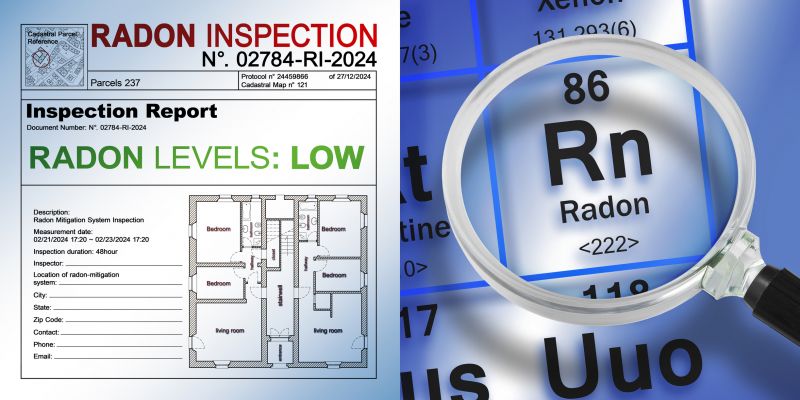
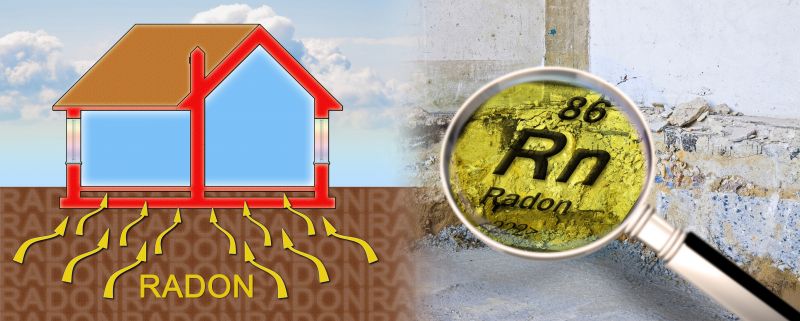
Radon gas abatement services are often sought by property owners in Tucson, AZ, who are concerned about indoor air quality and potential health risks. Homes and buildings in the area may have elevated radon levels due to the local geology, prompting owners to explore mitigation options to reduce indoor radon concentrations. These services are also considered when purchasing a new property or conducting routine testing, especially in basements or lower levels where radon tends to accumulate.
Property owners might look for radon abatement solutions to ensure compliance with health guidelines or to create a safer living environment for their families. Many seek professional assistance to install venting systems or other mitigation methods that effectively lower radon levels. Connecting with experienced local contractors can help ensure that the work is performed properly, providing peace of mind for those concerned about radon exposure in their Tucson area homes or buildings.
What is radon gas abatement? Radon gas abatement involves reducing radon levels in indoor environments through specialized mitigation techniques. Local service providers can evaluate and implement appropriate solutions for properties in Tucson and nearby areas.
How do radon mitigation systems work? Radon mitigation systems typically vent radon gas from beneath the building to the outside, lowering indoor radon levels. Contact local pros to discuss options suitable for specific properties.
Is radon testing necessary before abatement? Yes, testing is recommended to determine radon levels and assess the need for mitigation. Local specialists can perform testing and recommend appropriate abatement measures.
How long does radon abatement typically take? The duration varies depending on the property's size and complexity, but local service providers can provide estimates based on individual cases.
Are radon abatement systems permanent? When properly installed, radon mitigation systems are designed to provide long-term reduction of radon levels. Contact local experts to learn about system maintenance and longevity.
Radon Gas Testing Services - Local professionals offer testing solutions to assess radon levels in residential and commercial properties.
Radon Mitigation System Installation - Experts can install effective systems to reduce radon concentrations and improve indoor air quality.
Radon Level Monitoring - Continuous monitoring services are available to track radon levels over time and ensure safety standards are maintained.
Radon Inspection Consultations - Consult with specialists to identify radon risks and determine appropriate abatement strategies.
Considering Radon Gas Abatement for a property in Tucson, AZ? The sections above highlight common project types, practical options, and details that often shape the scope of work.
When you are ready, use the quote form to share a few details about your project. Local pros can review the basics and respond with options that match what you have in mind.