Get Radon Gas Abatement in Pittsburgh, PA
Radon Gas Abatement services for property owners in Pittsburgh and nearby areas address elevated radon levels through mitigation solutions for homes and businesses.
Radon gas abatement services are essential for property owners in Pittsburgh, PA who want to ensure their homes are safe and comfortable. Radon is a naturally occurring radioactive gas that can accumulate indoors, posing health risks over time. Professional radon mitigation specialists use proven techniques to reduce indoor radon levels, creating a healthier living environment. By addressing radon issues, property owners can enjoy peace of mind knowing their homes are safer for family members and visitors alike.
In addition to safety, radon abatement can enhance a property's overall functionality and curb appeal. Lower radon levels often lead to improved indoor air quality, which contributes to a more comfortable and inviting space. Many property owners also find that proper mitigation reduces ongoing maintenance needs and helps preserve the integrity of the building. Engaging experienced local service providers ensures that radon reduction measures are effectively implemented, supporting long-term durability and a more appealing home.
- Radon Gas Abatement - Needed when indoor radon levels are found to be above safety thresholds in residential or commercial buildings.
- Radon Gas Abatement - Recommended for homes in areas with elevated radon risk, including parts of Pittsburgh, PA and surrounding communities.
- Radon Gas Abatement - Essential during real estate transactions where radon testing indicates high radon concentrations.
- Radon Gas Abatement - Suitable for property owners seeking to reduce radon exposure and improve indoor air quality.
- Radon Gas Abatement - Necessary when ongoing radon monitoring reveals persistent elevated radon levels in a building.
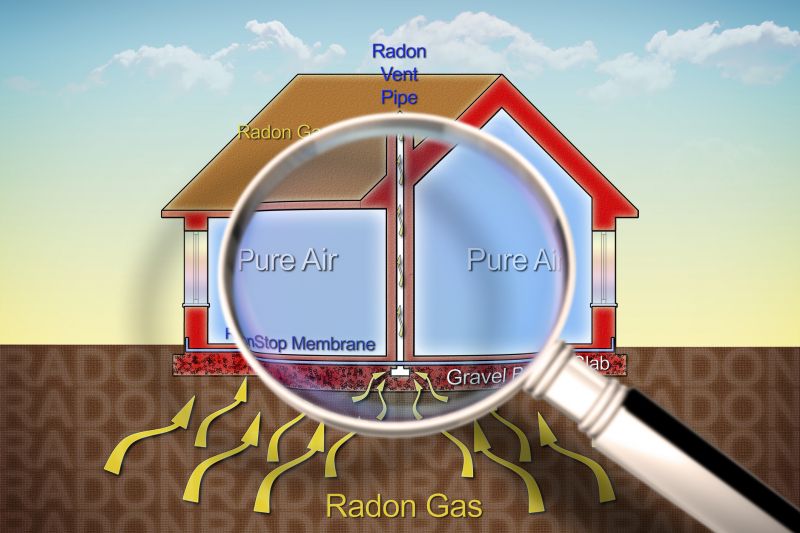
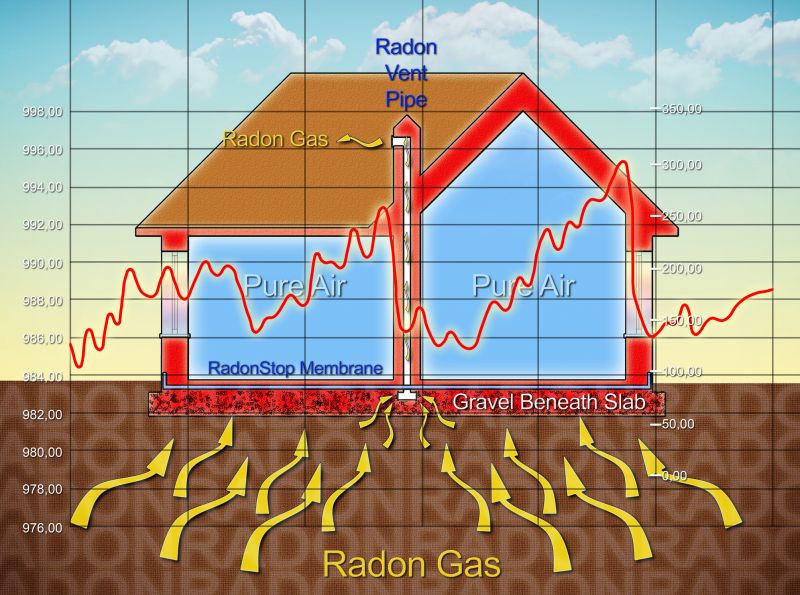
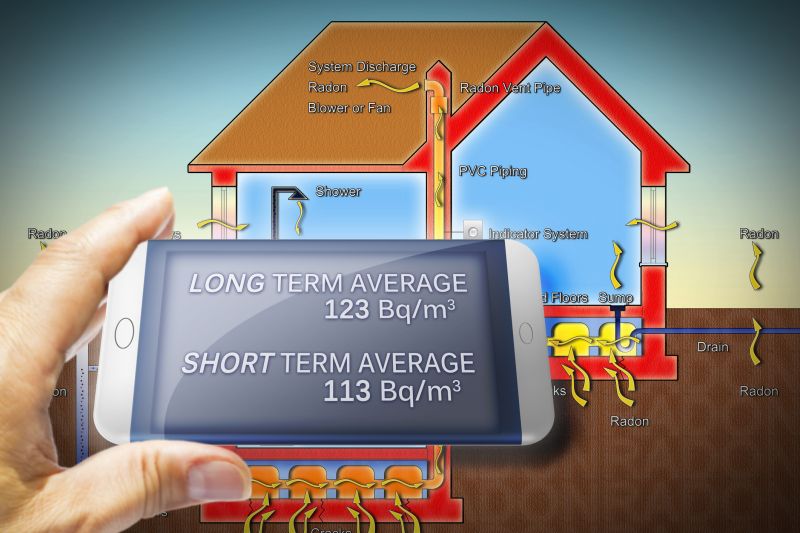
Radon gas abatement services involve identifying and reducing elevated levels of radon within indoor environments. These services typically include thorough testing to determine radon concentrations, followed by the implementation of mitigation systems designed to lower indoor radon levels. The process often involves installing venting systems, such as sub-slab depressurization or soil suction methods, which work to divert radon gas from beneath the property and vent it safely outside. These measures are intended to create a healthier indoor atmosphere by minimizing radon infiltration and accumulation.
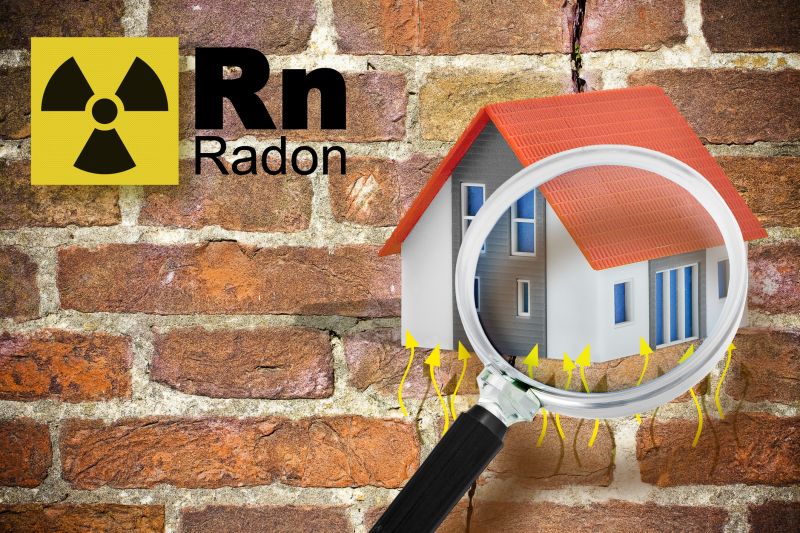
Radon gas poses a significant health concern because it is a radioactive element that can accumulate in enclosed spaces, increasing the risk of lung-related health issues over prolonged exposure. The primary problem radon abatement services address is elevated radon levels, which can be present in both new and existing structures. Radon infiltration can occur through cracks in foundations, gaps around service pipes, or other openings in the building’s lower levels. By reducing radon concentrations, these services help mitigate long-term health risks associated with prolonged exposure to radioactive gases.
Properties that typically utilize radon gas abatement services include residential homes, especially those with basements or lower-level living spaces, as well as multi-family buildings and certain commercial properties. Homes built on soil with high radon potential are often prioritized for testing and mitigation. Older properties, which may have more cracks and openings, are also common candidates for radon reduction measures. Commercial buildings, such as offices and retail spaces, may require radon mitigation if testing reveals unsafe levels, particularly in regions known for higher radon prevalence.
Engaging with local radon gas abatement service providers allows property owners to address radon concerns effectively. These professionals assess the specific needs of each property, recommend appropriate mitigation solutions, and handle the installation of systems designed to control radon levels. Since radon abatement is a specialized process, working with experienced service providers ensures that the mitigation systems are properly installed and maintained, helping to create safer indoor environments for residents and occupants.
The overview below groups typical Radon Gas Abatement projects into broad ranges so you can see how smaller, mid-sized, and larger jobs often compare in Pittsburgh, PA.
In many markets, a large share of routine jobs stays in the lower and middle ranges, while only a smaller percentage of projects moves into the highest bands when the work is more complex or site conditions are harder than average.
Initial Inspection and Testing - The cost for radon testing typically ranges from $150 to $300, depending on the size of the property and testing method used. Some providers include a basic inspection as part of the testing process. Additional testing or detailed assessments may increase the overall expense.
Mitigation System Installation - Installing a radon mitigation system generally costs between $1,000 and $2,500. The price varies based on the home's foundation type and the complexity of the installation. Larger or more complex structures may incur higher costs.
System Components and Materials - The price for system components such as fans, piping, and vent stacks can range from $300 to $800. Quality and brand choices influence the overall material costs for effective radon reduction.
Maintenance and Monitoring - Ongoing maintenance or radon level monitoring systems typically cost between $100 and $300 annually. Some providers offer packages that include regular testing and system checks to ensure continued effectiveness.
Actual totals will depend on details like access to the work area, the scope of the project, and the materials selected, so use these as general starting points rather than exact figures.
Radon Mitigation Systems - Local pros install mitigation systems designed to reduce radon levels in residential and commercial properties, helping to improve indoor air quality.
Sub-Slab Depressurization - Experts utilize sub-slab depressurization techniques to effectively vent radon gas from beneath building foundations, preventing it from entering indoor spaces.
Foundation Sealing - Service providers offer foundation sealing solutions to limit radon infiltration through cracks and openings in basements and crawl spaces.
Indoor Air Quality Testing - Professionals conduct radon testing to identify elevated levels, providing data that guides appropriate abatement measures.
Soil Gas Venting - Soil gas venting services help direct radon away from structures, reducing indoor concentrations through proper venting systems.
Radon Reduction Consultation - Local specialists provide consultation services to assess radon risks and recommend effective abatement strategies for homes and businesses.
Radon gas abatement services vary in experience among local contractors. Homeowners should consider how long a provider has been performing radon mitigation work in the Pittsburgh area or nearby communities. An experienced professional is likely to have encountered a range of home configurations and radon issues, which can contribute to more effective solutions. When evaluating options, it’s helpful to inquire about the number of radon mitigation systems a contractor has installed and their familiarity with different types of homes, ensuring that the provider has a solid track record in the local market.
Clear, written expectations are essential when selecting a radon abatement service. Homeowners should seek detailed proposals that outline the scope of work, materials to be used, and the estimated process for installing radon mitigation systems. Having these expectations documented helps prevent misunderstandings and provides a reference point for the project’s progress. Reputable local pros often provide thorough written estimates, which can serve as a foundation for discussing the specifics of the work and ensuring that all necessary steps are included.
Reputation and communication are key factors in choosing a radon gas abatement provider. Homeowners are encouraged to seek references or reviews from past clients in the Pittsburgh area to gauge the quality of service and reliability. Good communication from a contractor includes prompt responses to questions, clarity about the work process, and transparency regarding costs and timelines. Building a rapport with a trusted local professional can facilitate a smoother project experience and confidence in the radon mitigation process.
Property owners in Pittsburgh, PA use Radon Gas Abatement services for practical projects around their homes and businesses. The sections below highlight everyday jobs and straightforward project options.
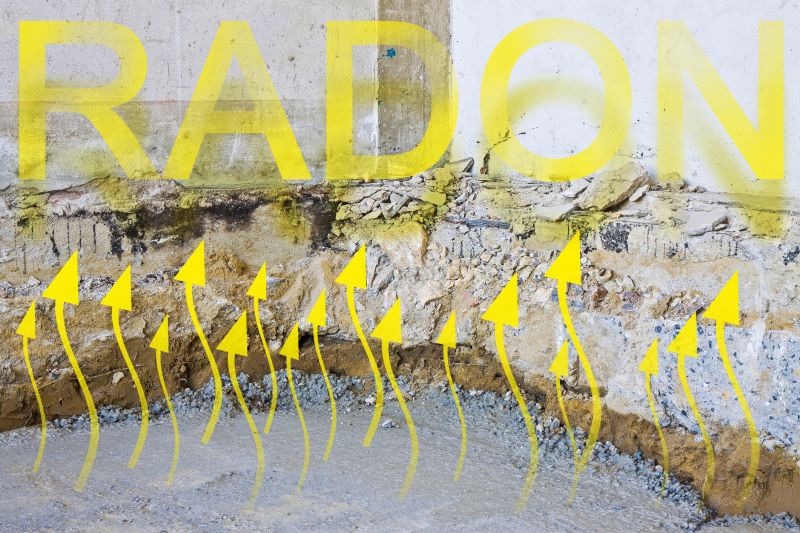
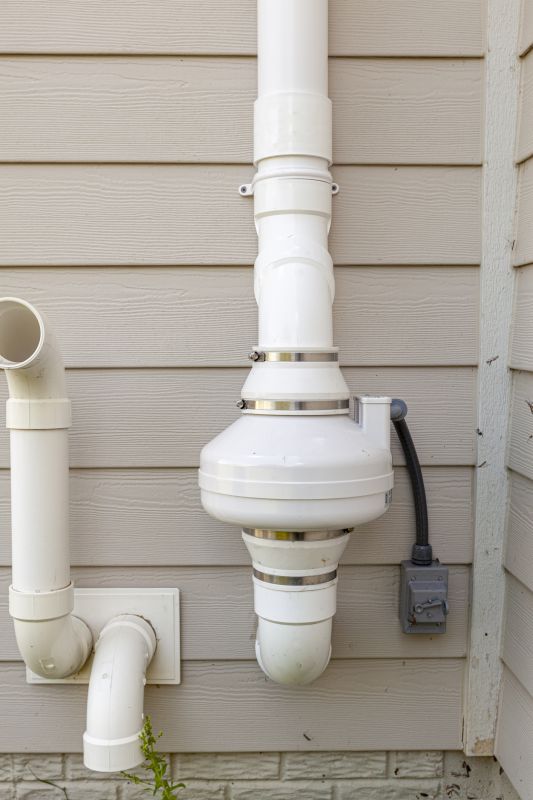
Radon gas abatement services are often sought by property owners in Pittsburgh, PA, who are concerned about indoor air quality and potential health risks. Many homes and buildings in the area may have elevated radon levels due to local soil composition, prompting owners to explore mitigation options. These services typically involve installing systems that reduce radon concentrations, helping to create a safer living or working environment.
Property owners might also consider radon abatement when purchasing or selling a home, as testing can reveal levels that exceed recommended guidelines. Additionally, residents in older buildings or those undergoing renovations may seek professional assistance to address radon concerns. Connecting with local specialists ensures that appropriate measures are taken to manage radon levels effectively.
What is radon gas abatement? Radon gas abatement involves reducing radon levels in indoor environments through specialized mitigation techniques performed by local service providers.
Why is radon mitigation important? Mitigating radon levels can help decrease potential health risks associated with prolonged exposure to elevated radon concentrations indoors.
How do professionals perform radon gas abatement? Local radon mitigation experts typically install venting systems or barriers to safely reduce radon levels inside buildings.
How can I find radon abatement services in my area? Contact local contractors specializing in radon mitigation to discuss options and schedule assessments for your property.
What should I consider before choosing radon abatement services? It is recommended to evaluate the experience of local service providers and inquire about their methods for effective radon reduction.
Radon Testing Services - Professionals can perform comprehensive radon testing to determine indoor radon levels and assess the need for mitigation.
Radon Mitigation Solutions - Local experts offer effective radon abatement methods to reduce indoor radon concentrations and improve air quality.
Mitigation System Installation - Experienced service providers can install radon reduction systems tailored to specific home layouts and needs.
Continuous Radon Monitoring - Ongoing radon monitoring services are available to ensure indoor air remains safe over time.
Considering Radon Gas Abatement for a property in Pittsburgh, PA? The sections above highlight common project types, practical options, and details that often shape the scope of work.
When you are ready, use the quote form to share a few details about your project. Local pros can review the basics and respond with options that match what you have in mind.