Get Radon Gas Abatement in Las Vegas, NV
Radon Gas Abatement services help property owners in Las Vegas, NV, and nearby areas address elevated radon levels through mitigation and ventilation projects.
Radon gas abatement services are essential for property owners in Las Vegas, NV seeking to improve indoor air quality and ensure a safer living environment. Since radon is a naturally occurring radioactive gas that can accumulate indoors, addressing its presence helps reduce health risks and promotes peace of mind. These services typically involve specialized methods to detect and mitigate radon levels, creating a safer space for residents and visitors alike.
In addition to safety, radon abatement can enhance overall property functionality and curb appeal. Properly installed systems can contribute to a more comfortable indoor atmosphere by reducing unwanted odors and improving air quality. Many property owners also appreciate the durability and low maintenance of effective mitigation solutions, which support long-term home value and aesthetic appeal. Connecting with experienced local service providers can help ensure the work is performed efficiently and reliably.
- Radon Gas Abatement Services - needed when elevated radon levels are detected in residential or commercial properties.
- Radon Mitigation Systems - recommended for homes or buildings in areas with known radon concerns, including parts of the Midwest and Northeast.
- Radon Reduction Solutions - essential for new construction or during property renovations in regions with high radon prevalence.
- Radon Testing and Abatement - advised when routine testing indicates unsafe radon concentrations in the home or workplace.
- Radon Gas Removal - suitable for properties in areas with persistent radon issues that require professional mitigation efforts.
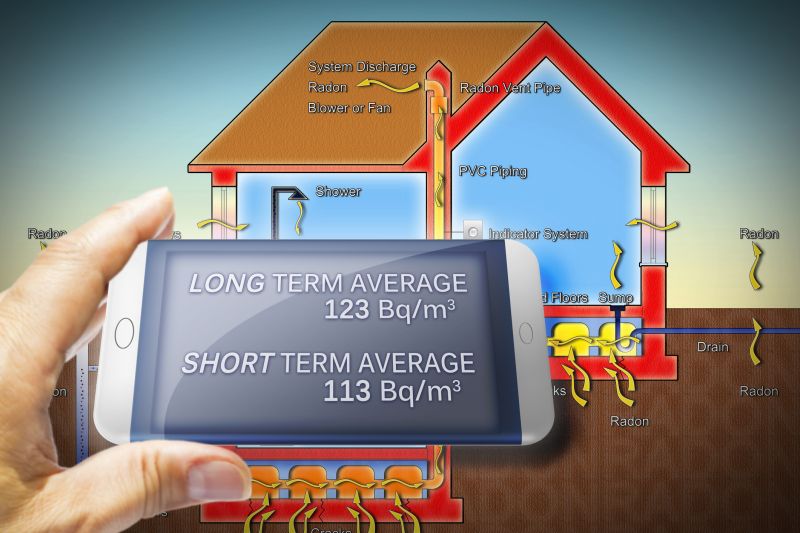
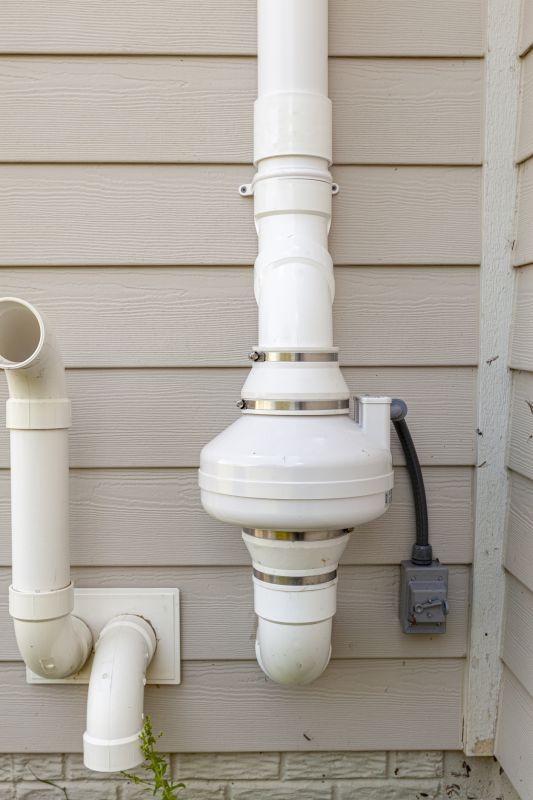
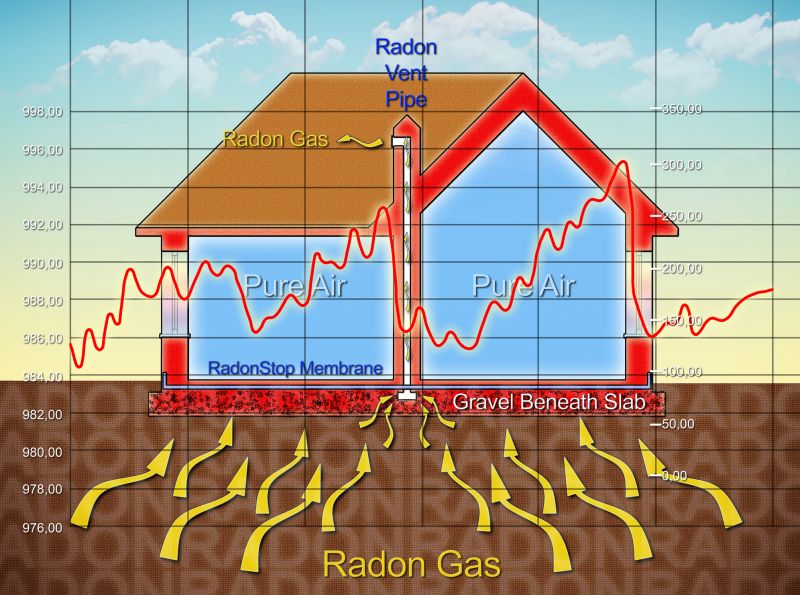
Radon gas abatement services involve identifying and reducing radon levels within indoor environments to improve air quality and promote healthier living or working spaces. These services typically include thorough testing to determine radon concentrations, followed by the installation of specialized systems designed to vent radon from beneath the property to the outside atmosphere. The goal is to create a safer indoor environment by minimizing radon infiltration, which can accumulate in enclosed areas if not properly managed. Professional providers use various techniques tailored to the specific characteristics of each property to ensure effective radon mitigation.
Radon is a naturally occurring radioactive gas that can seep into buildings through cracks in foundations, gaps around pipes, and other openings in the building envelope. Elevated radon levels are associated with increased health risks, particularly lung cancer. Radon abatement services are essential in addressing these concerns by reducing indoor radon concentrations to safer levels. These services help solve problems related to poor indoor air quality and can be particularly important in regions where the soil contains higher radon levels, making mitigation a necessary step for property owners concerned about long-term health impacts.
Properties that typically utilize radon gas abatement services include residential homes, especially those with basements or crawl spaces, as well as multi-family complexes and commercial buildings. Older properties or those located in areas with known radon issues are often more likely to require mitigation. New constructions may also seek radon reduction systems as a preventative measure to ensure indoor air quality from the outset. Regardless of property type, effective radon mitigation can contribute to a healthier indoor environment by controlling radon levels and preventing potential health risks.
Engaging with local radon gas abatement professionals can provide property owners with tailored solutions to address radon concerns. These specialists assess the unique features of each property, recommend appropriate mitigation strategies, and install systems designed to effectively reduce radon levels. By working with experienced service providers, property owners can ensure that their indoor environments meet safety standards and maintain healthier air quality. Contacting local pros for radon abatement services is a proactive step toward managing radon risks and creating safer living or working spaces.
The overview below groups typical Radon Gas Abatement projects into broad ranges so you can see how smaller, mid-sized, and larger jobs often compare in Las Vegas, NV.
In many markets, a large share of routine jobs stays in the lower and middle ranges, while only a smaller percentage of projects moves into the highest bands when the work is more complex or site conditions are harder than average.
Radon Gas Abatement Cost - The typical cost for radon mitigation services ranges from $800 to $2,500, depending on the home's size and foundation type. For example, a standard home might incur around $1,200 for professional installation. Costs can vary based on the complexity of the system needed.
System Installation Expenses - Installing a radon mitigation system generally costs between $700 and $2,000. Smaller homes may be on the lower end, while larger or more complex structures could reach higher prices. Local contractors provide estimates based on specific property details.
Additional Service Fees - Additional costs may include testing and inspection fees, typically ranging from $100 to $300. These are often separate from the installation but are recommended for ensuring effective radon reduction. Prices vary by provider and location.
Long-term Cost Considerations - Ongoing maintenance or testing may add to the overall expense, with some providers offering package deals. Expect to pay around $100 annually for follow-up testing to monitor radon levels after abatement. Costs depend on service frequency and provider policies.
Actual totals will depend on details like access to the work area, the scope of the project, and the materials selected, so use these as general starting points rather than exact figures.
Radon Gas Testing - Testing services identify radon levels within residential and commercial properties, providing essential data for mitigation decisions.
Radon Mitigation System Installation - Local service providers install systems designed to reduce radon concentrations in indoor environments effectively.
Radon Level Assessment - Professionals evaluate existing radon levels to determine if mitigation measures are necessary for safety compliance.
Indoor Air Quality Evaluation - Experts conduct comprehensive assessments of indoor air, including radon detection, to ensure healthy living and working spaces.
Radon Inspection Services - Inspections help identify sources of radon entry and assess the effectiveness of existing mitigation solutions.
Radon Abatement Consultation - Consultants offer guidance on radon risks and recommend appropriate mitigation strategies tailored to property needs.
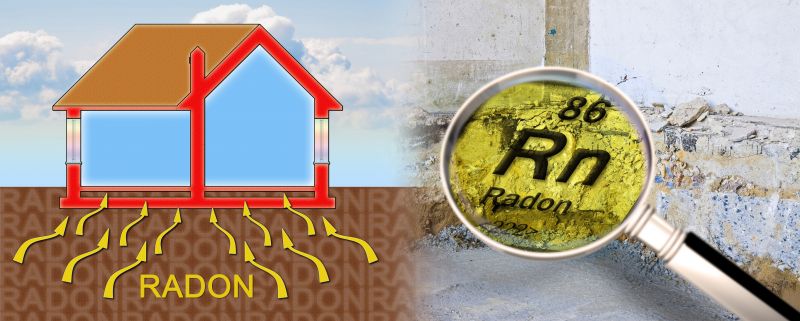
When selecting a radon gas abatement service provider, it is important to consider the experience of the local contractors. Homeowners should look for professionals who have a proven track record in radon mitigation, with a history of successfully completing projects similar in scope and complexity. Understanding a contractor’s background can provide confidence in their ability to handle the specific challenges of radon reduction and ensure the work is performed effectively.
Clear communication and well-defined written expectations are essential when working with radon abatement specialists. Reputable service providers typically offer detailed explanations of their recommended mitigation strategies, scope of work, and any necessary preparations. Establishing open lines of communication helps ensure that homeowners are informed throughout the process and that the project aligns with their expectations.
Reputable references and reviews are valuable resources for evaluating local radon mitigation providers. Homeowners are encouraged to seek out feedback from previous clients to gauge the quality of work and professionalism. While the lead-generation platform connects homeowners with local pros, it is important to verify the reputation and reliability of each contractor independently. Good communication, demonstrated experience, and positive references can help homeowners identify trusted professionals for radon gas abatement services.
Property owners in Las Vegas, NV use Radon Gas Abatement services for practical projects around their homes and businesses. The sections below highlight everyday jobs and straightforward project options.
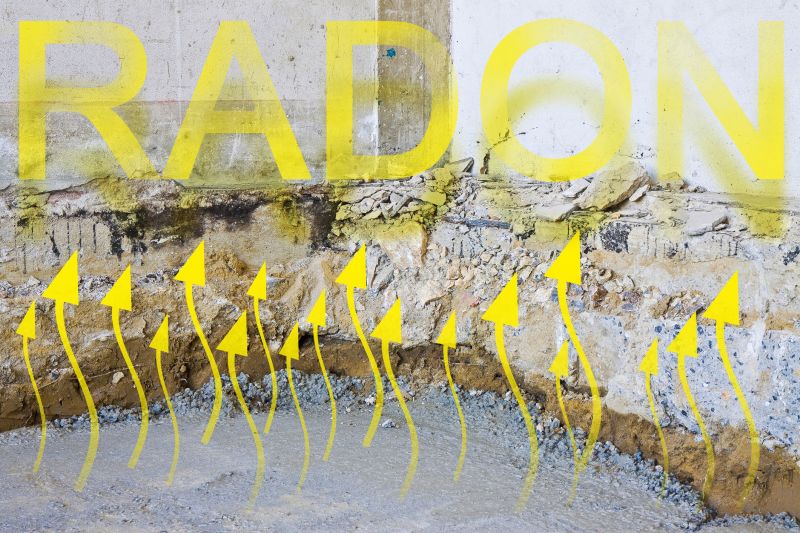
Radon gas abatement services are often sought by property owners in Las Vegas, NV, who are concerned about indoor air quality and potential health risks. Homes and commercial buildings in the area may have elevated radon levels due to the region’s geology, prompting owners to explore mitigation options. Professionals in the local market can assess indoor radon levels and install systems designed to reduce radon concentrations, helping to create a safer living or working environment.
Additionally, property owners might consider radon mitigation when purchasing a new home or preparing a property for sale. Real estate transactions sometimes require radon testing, and addressing any issues found can be an important step in the process. Local service providers can offer solutions that meet the needs of residents and investors looking to ensure their properties are compliant and safe from radon exposure.
What is radon gas abatement? Radon gas abatement involves reducing radon levels in indoor spaces through specialized mitigation techniques provided by local service providers.
How do professionals reduce radon levels? Local radon mitigation experts typically install venting systems and fans to safely vent radon outdoors, lowering indoor concentrations.
Is radon gas abatement necessary for my home? Radon testing is recommended to determine if radon levels are elevated; if so, contacting local pros for abatement services is advised.
How long does radon mitigation typically take? The duration varies based on the property's size and system complexity, but local service providers can provide estimates during consultation.
Are there any ongoing maintenance requirements after radon abatement? Most mitigation systems require minimal maintenance, but it’s recommended to have periodic inspections by local experts to ensure optimal performance.
Radon Testing Services - Professionals can perform comprehensive radon testing to assess indoor air quality and identify potential risks.
Radon Mitigation System Installation - Local service providers can install effective radon reduction systems to lower indoor radon levels.
Radon Level Monitoring - Ongoing radon level monitoring solutions are available to ensure continued safety in residential and commercial spaces.
Radon Inspection Consultations - Experts can provide consultations to evaluate radon concerns and recommend appropriate abatement strategies.
Considering Radon Gas Abatement for a property in Las Vegas, NV? The sections above highlight common project types, practical options, and details that often shape the scope of work.
When you are ready, use the quote form to share a few details about your project. Local pros can review the basics and respond with options that match what you have in mind.