Get Radon Gas Abatement in Dallas, TX
Radon Gas Abatement services help Dallas-area property owners reduce radon levels through mitigation projects that address indoor air quality concerns and improve safety.
Radon gas abatement services are essential for property owners in Dallas, TX seeking to improve indoor air quality and ensure a healthier living environment. These services focus on reducing radon levels that can accumulate indoors, providing peace of mind for families and residents. By addressing potential radon issues, property owners can enjoy a more comfortable and safer space, minimizing concerns about long-term health impacts associated with radon exposure.
In addition to safety, radon mitigation can enhance the overall functionality and curb appeal of a property. Proper abatement solutions can prevent structural damage caused by radon-related moisture and corrosion, leading to increased durability and reduced maintenance needs. For homeowners and landlords alike, these services contribute to maintaining a well-preserved property that is attractive to tenants or buyers, fostering confidence in the property's condition and value.
- Radon Gas Abatement services are recommended when radon levels in a home or building are found to be elevated during testing.
- Radon Gas Abatement may be necessary for new constructions in areas with known radon issues to ensure safe indoor air quality.
- Radon Gas Abatement is advised for properties that have experienced water intrusion or damage, which can increase radon infiltration.
- Radon Gas Abatement might be needed in homes near uranium-rich soil or rock formations common in parts of Dallas, TX and surrounding regions.
- Radon Gas Abatement is essential for real estate transactions where radon testing indicates levels above recommended thresholds.
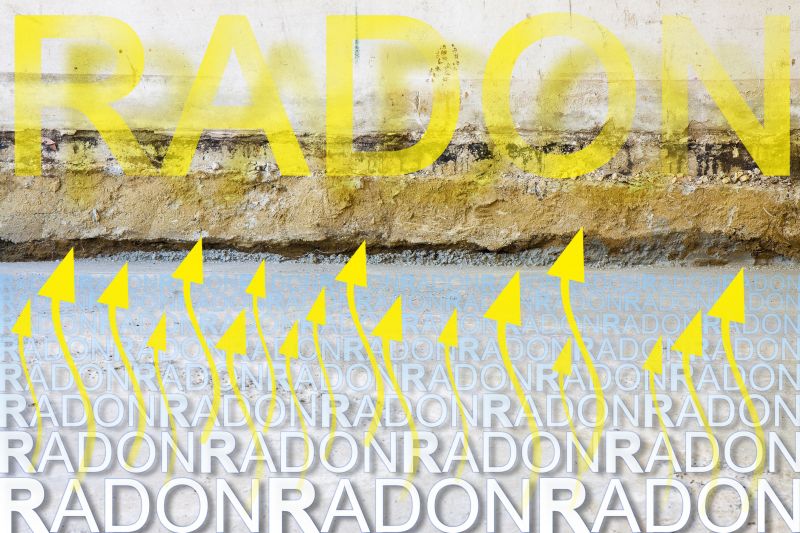
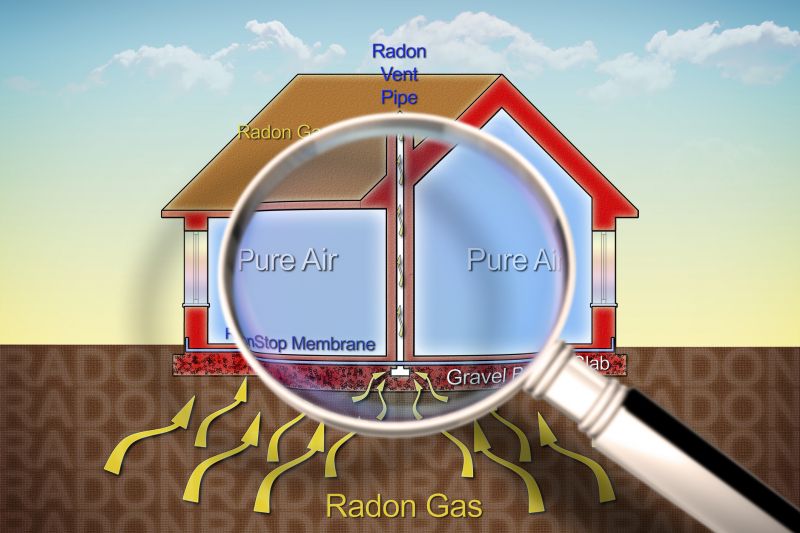
Radon gas abatement services involve assessing indoor environments for elevated levels of radon and implementing systems to reduce its presence. The process typically begins with a thorough evaluation of the property to identify radon entry points and determine the most effective mitigation strategies. Contractors may install venting systems, such as sub-slab depressurization or soil suction, to safely vent radon outdoors before it can accumulate indoors. These services aim to create a safer living or working space by significantly lowering radon concentrations to meet recommended guidelines.
Radon gas is a naturally occurring radioactive element that can seep into buildings from the soil and rocks beneath. Prolonged exposure to high radon levels is associated with an increased risk of lung cancer, making abatement services an important consideration for property owners concerned about indoor air quality. These services are particularly valuable in areas with known radon presence or properties situated on soil types conducive to radon infiltration. By addressing elevated radon levels, property owners can reduce health risks and improve overall indoor air safety.
Properties that typically utilize radon gas abatement services include residential homes, especially those in regions with higher radon potential, as well as rental units and multi-family buildings. Commercial properties, such as offices, schools, and healthcare facilities, may also require radon mitigation if testing indicates unsafe levels. Older buildings or homes with basements are often more susceptible to radon entry, making mitigation services a practical step for maintaining a healthier indoor environment. Regular testing and appropriate abatement measures help ensure that indoor spaces remain safe for occupants.
Engaging with local radon gas abatement professionals provides property owners with tailored solutions to address specific radon concerns. These specialists can evaluate individual properties, recommend suitable mitigation methods, and assist with the installation of systems designed to reduce radon levels effectively. Since radon mitigation is a specialized service, working with experienced local providers can help ensure that the appropriate measures are implemented efficiently and in accordance with safety standards. Contacting local pros is a proactive step toward improving indoor air quality and safeguarding health.
The overview below groups typical Radon Gas Abatement projects into broad ranges so you can see how smaller, mid-sized, and larger jobs often compare in Dallas, TX.
In many markets, a large share of routine jobs stays in the lower and middle ranges, while only a smaller percentage of projects moves into the highest bands when the work is more complex or site conditions are harder than average.
Initial Testing and Inspection - The cost for radon testing typically ranges from $150 to $300, depending on the size of the property and the type of test. Example costs for a standard home in Dallas, TX, are around $200.
Mitigation System Installation - Installing a radon mitigation system usually costs between $1,200 and $2,500, with larger or more complex properties potentially exceeding this range. For a typical residence, the average expense is approximately $1,800.
Post-Installation Verification - Follow-up testing after mitigation can cost between $100 and $250, depending on the testing method and provider. This step ensures radon levels have been effectively reduced.
Maintenance and Monitoring - Ongoing radon monitoring devices generally cost $100 to $300 each, with some providers offering continuous monitoring services. Regular checks help maintain safe radon levels over time.
Actual totals will depend on details like access to the work area, the scope of the project, and the materials selected, so use these as general starting points rather than exact figures.
Radon Mitigation Systems - Professionals install systems designed to reduce radon levels in residential and commercial properties, helping to improve indoor air quality.
Ventilation Improvements - Service providers enhance ventilation to lower radon concentrations by increasing airflow and reducing indoor radon buildup.
Sealant and Barrier Installation - Experts apply sealing techniques and barriers to prevent radon from entering buildings through cracks and foundation openings.
Foundation and Basement Sealing - Contractors focus on sealing foundation cracks and entry points to minimize radon infiltration in basement areas.
Soil Gas Extraction - Specialists utilize soil gas extraction methods to divert radon gas away from indoor spaces, reducing indoor radon levels.
Radon Testing and Monitoring - Local pros conduct testing and ongoing monitoring to assess radon levels and evaluate the effectiveness of abatement measures.
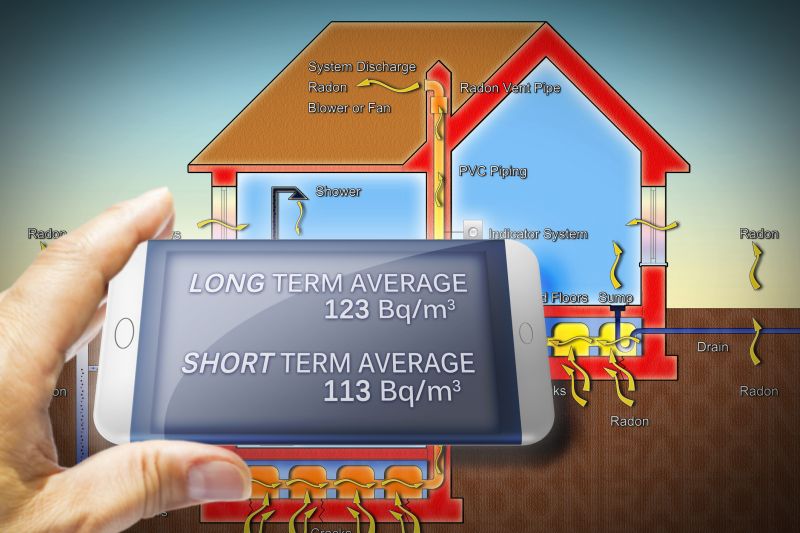
When selecting a radon gas abatement service, it’s important to consider the experience of local contractors. Homeowners should look for providers who have a proven track record in radon mitigation within the Dallas, TX area or nearby communities. Experienced professionals are typically familiar with the specific challenges that can arise during installation and can offer insights into effective solutions based on past projects. Ensuring that a contractor has a history of successful radon reduction can help establish confidence in their ability to handle the scope of work effectively.
Clear written expectations are essential when working with radon abatement specialists. Reputable providers should be prepared to outline the scope of services, the methods they plan to use, and any necessary preparation or follow-up steps. This transparency helps homeowners understand what to expect and ensures that there are no surprises during the project. A detailed agreement also serves as a reference point for both parties, promoting a smoother process and helping to avoid misunderstandings.
Reputable references and good communication are key factors in choosing a radon mitigation contractor. Homeowners are encouraged to ask for references from previous clients or seek reviews that speak to the contractor’s professionalism and reliability. Additionally, effective communication-being responsive, clear, and willing to address questions-can make the process more straightforward. Local providers who prioritize open dialogue and have a history of positive interactions are often better equipped to meet homeowner needs and deliver satisfactory results.
Property owners in Dallas, TX use Radon Gas Abatement services for practical projects around their homes and businesses. The sections below highlight everyday jobs and straightforward project options.
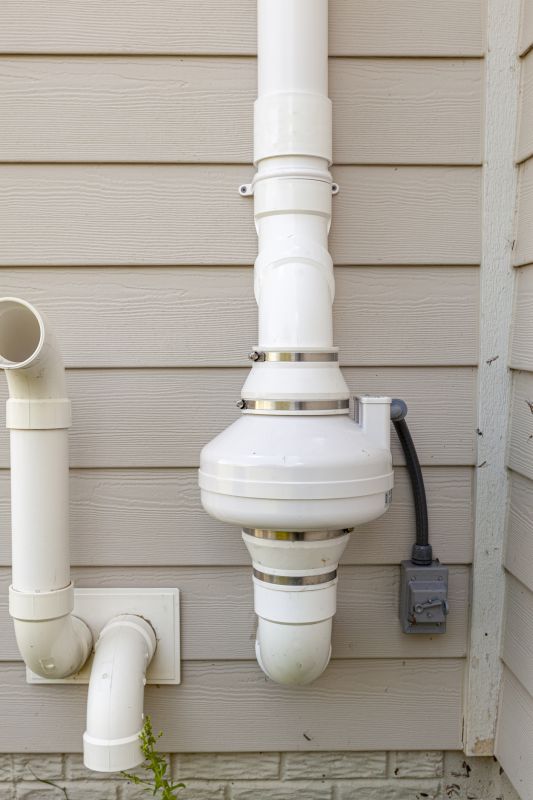
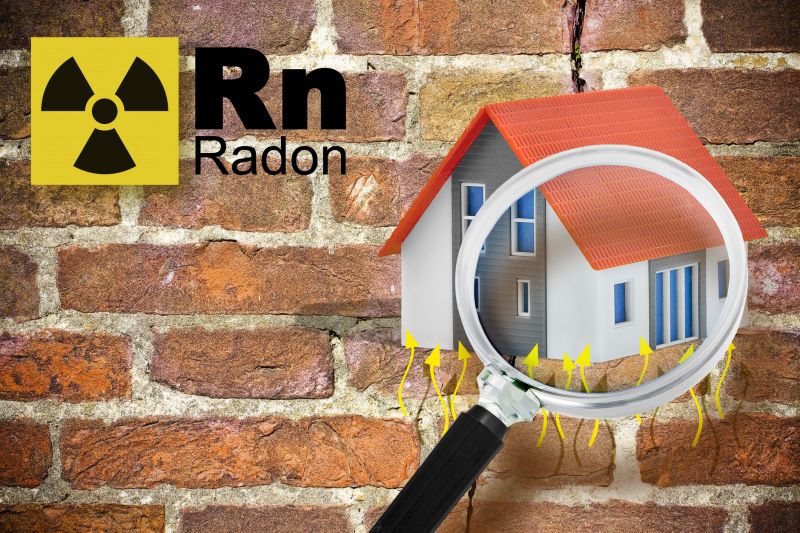
Radon gas abatement services are often sought by property owners in Dallas, TX who are concerned about indoor air quality and potential health risks. Homes and buildings in the area may have elevated radon levels due to the local geology, prompting owners to explore mitigation options. Professional radon reduction experts can assess indoor spaces and implement systems designed to lower radon concentrations, helping to create a safer living or working environment.
Property owners might also consider radon abatement when purchasing or selling a home, as testing can reveal elevated levels that need addressing. Additionally, those experiencing unexplained health issues or frequent allergies may look into radon mitigation services as part of a broader effort to improve indoor air conditions. Connecting with local specialists ensures that the work is tailored to the specific needs of properties in Dallas and nearby communities.
What is radon gas abatement? Radon gas abatement involves installing systems or measures to reduce radon levels in indoor environments, helping to improve air quality and safety.
How do radon mitigation systems work? These systems typically vent radon gas from beneath the building to the outside, minimizing indoor radon concentrations.
Who can perform radon gas abatement? Local service providers specializing in radon mitigation can assess and install appropriate solutions for residential or commercial properties.
Is radon gas abatement effective? When properly installed, radon mitigation systems can significantly lower radon levels, but effectiveness depends on proper assessment and installation by professionals.
How can I find local radon abatement services? Interested property owners can contact local providers specializing in radon mitigation to schedule assessments and installations.
Radon Gas Testing Services - Local professionals offer testing solutions to identify radon levels in residential and commercial properties.
Radon Mitigation System Installation - Experienced service providers can install effective systems to reduce radon concentrations indoors.
Radon Level Monitoring - Continuous radon monitoring services help maintain safe indoor air quality over time.
Radon Inspection Consultations - Experts provide assessments and recommendations for radon abatement strategies tailored to specific properties.
Considering Radon Gas Abatement for a property in Dallas, TX? The sections above highlight common project types, practical options, and details that often shape the scope of work.
When you are ready, use the quote form to share a few details about your project. Local pros can review the basics and respond with options that match what you have in mind.