Get Radon Gas Abatement in Austin, TX
Radon gas abatement services for property owners in Austin, TX, address elevated radon levels through mitigation systems, sealing, and ventilation solutions to improve indoor air quality.
Radon gas abatement services are essential for property owners in Austin, TX who want to improve indoor air quality and ensure a safer living or working environment. Radon is a naturally occurring radioactive gas that can seep into buildings through soil and foundation cracks, posing health risks over time. Professional abatement solutions help reduce radon levels effectively, providing peace of mind and creating a healthier space for residents and visitors alike.
In addition to safety, radon gas mitigation can enhance the overall functionality and curb appeal of a property. Lower radon levels contribute to a more comfortable indoor environment, potentially reducing the need for additional air filtration systems. Proper abatement measures can also support the durability of a building by protecting it from moisture-related issues, while also maintaining its aesthetic appeal by preventing the need for extensive repairs caused by radon-related damage.
- Radon testing - needed when purchasing a new home or suspecting elevated radon levels in the residence.
- Radon mitigation systems installation - recommended for homes with high radon readings to reduce indoor radon concentrations.
- Radon level assessments - useful for homeowners in areas with known radon concerns, including parts of Austin, TX and surrounding regions.
- Indoor air quality evaluations - sought after when concerns about radon exposure arise during home inspections or renovations.
- Radon reduction consultations - appropriate for property owners seeking expert advice on lowering radon levels in their buildings.
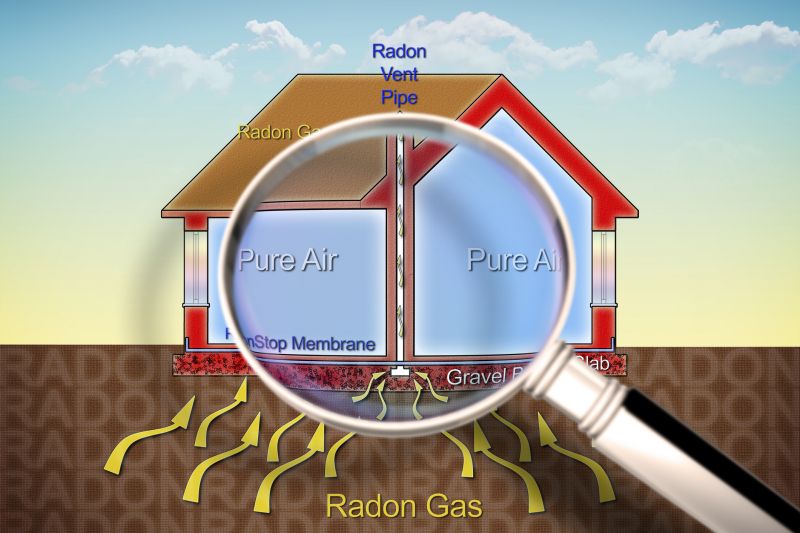
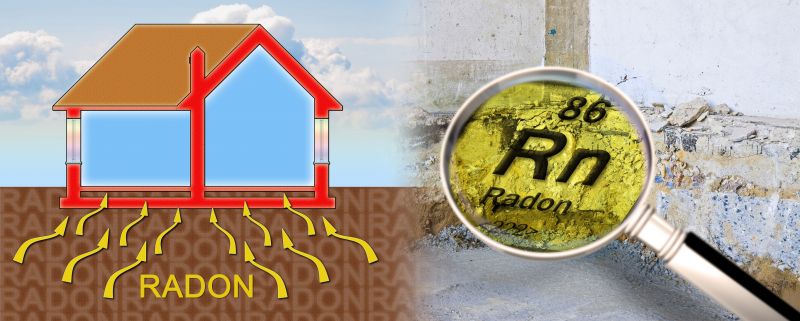

Radon gas abatement services involve the installation of specialized systems designed to reduce radon levels within indoor environments. These systems typically include venting solutions that draw radon from beneath the property and release it safely outside, preventing it from accumulating inside. The process often requires assessing the property's foundation and structure to determine the most effective approach for radon mitigation. Local service providers tailor their solutions to the specific characteristics of each property to ensure optimal radon reduction.
Radon is a naturally occurring radioactive gas that can pose health risks when it accumulates indoors over time. The primary problem radon abatement addresses is elevated radon levels, which have been linked to increased risks of lung cancer. Properties that are most commonly affected include those with basements or crawl spaces, as these areas tend to have higher radon infiltration due to their contact with the soil. Radon mitigation services help create safer indoor air quality by effectively lowering radon concentrations to acceptable levels.
Properties that typically utilize radon gas abatement services often include residential homes, especially those built on or near soil with high radon potential. New construction projects may also incorporate radon mitigation systems during the building process to prevent future issues. Additionally, commercial buildings, schools, and multi-family residences located in areas known for elevated radon levels may seek these services to ensure occupant safety and comply with local health guidelines. The goal is to reduce radon exposure across various property types that are vulnerable to indoor radon buildup.
Engaging with local radon gas abatement providers allows property owners to address radon concerns effectively. These professionals evaluate the specific needs of each property, recommend appropriate mitigation strategies, and install systems designed to reduce radon levels. By working with experienced service providers, property owners can improve indoor air quality, mitigate potential health risks, and ensure compliance with local safety standards. Contacting a local expert is a proactive step toward creating a healthier indoor environment.
The overview below groups typical Radon Gas Abatement projects into broad ranges so you can see how smaller, mid-sized, and larger jobs often compare in Austin, TX.
In many markets, a large share of routine jobs stays in the lower and middle ranges, while only a smaller percentage of projects moves into the highest bands when the work is more complex or site conditions are harder than average.
Initial Inspection and Testing - The cost for radon testing and inspection typically ranges from $150 to $300, depending on the size of the property and testing methods used. Some providers include detailed reports as part of the service.
Mitigation System Installation - Installing a radon mitigation system generally costs between $800 and $2,500, with larger or more complex homes potentially incurring higher fees. This includes the labor, materials, and system components.
Post-Installation Testing - Follow-up testing to ensure radon levels have been reduced usually costs around $100 to $200. Additional testing may be recommended for verification after mitigation system installation.
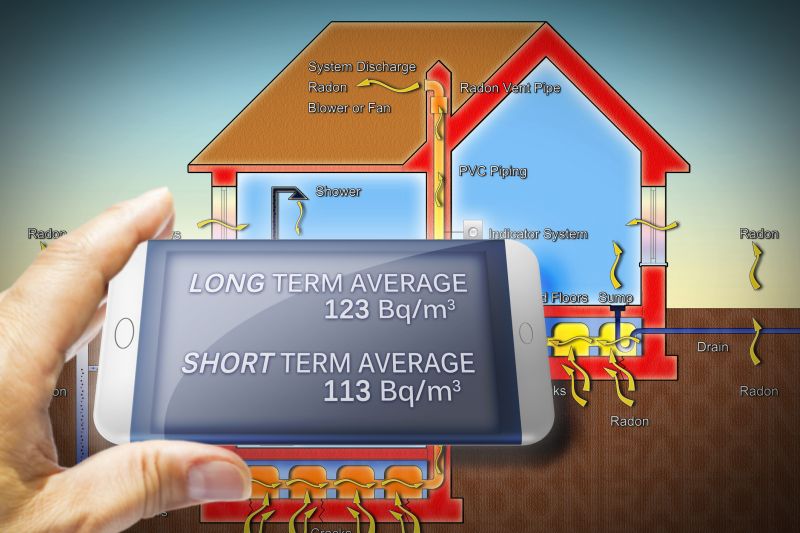
Maintenance and Monitoring - Ongoing radon monitoring devices can range from $150 to $300, with some providers offering maintenance or calibration services at additional costs. Regular testing is advised to maintain safe levels.
Actual totals will depend on details like access to the work area, the scope of the project, and the materials selected, so use these as general starting points rather than exact figures.
Radon Gas Testing - Professionals conduct testing to identify radon levels in residential and commercial properties, helping to determine if abatement is necessary.
Radon Mitigation System Installation - Service providers install systems designed to reduce radon concentrations indoors, improving air quality and safety.
Home Inspection Services - Inspectors assess properties for radon presence as part of comprehensive evaluations for buyers and sellers.
Indoor Air Quality Services - Providers evaluate overall indoor air quality, including radon levels, and recommend appropriate mitigation solutions.
Ventilation System Upgrades - Contractors enhance ventilation systems to help control radon accumulation in enclosed spaces.
Remediation Consultation - Experts offer guidance on radon risks and recommend effective abatement strategies tailored to specific properties.
When evaluating Radon Gas Abatement service providers, homeowners should consider the experience of local contractors. An experienced professional typically has a history of completing radon mitigation projects within the community, which can indicate familiarity with regional soil conditions and building types. It’s helpful to inquire about the number of years a contractor has been serving the area and whether they have handled projects similar to the home in question. This background can contribute to a smoother process and potentially more reliable results.
Clear communication and written expectations are essential when selecting a radon abatement service provider. Homeowners should seek providers who are willing to provide detailed written estimates that outline the scope of work, materials, and any warranties or guarantees. Open dialogue about the process can help ensure that all parties understand what is involved and what to expect during the project. Transparent communication also fosters trust and allows homeowners to address any questions or concerns before work begins.
Reputable references and positive local reputation are key indicators of a trustworthy radon mitigation contractor. Homeowners are encouraged to ask for references from previous clients or to seek out reviews from the community. Local reputation can often be verified through online reviews, community forums, or by speaking directly with neighbors who have had similar work done. Reliable contractors typically maintain good standing within the community and are known for consistent quality, professionalism, and responsiveness, making them a dependable choice for radon gas abatement services.
Property owners in Austin, TX use Radon Gas Abatement services for practical projects around their homes and businesses. The sections below highlight everyday jobs and straightforward project options.
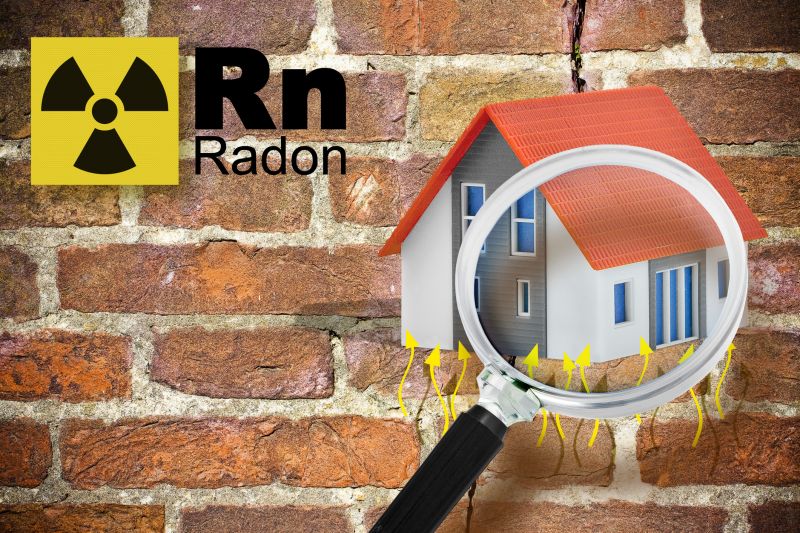
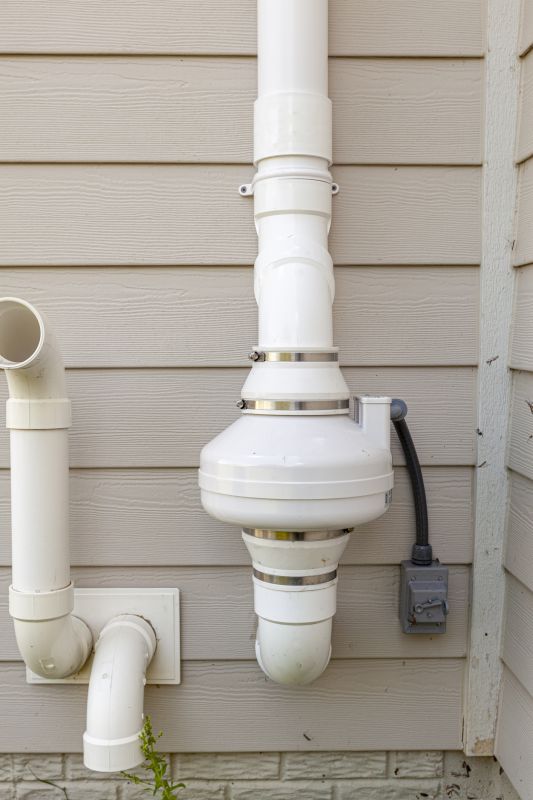
Radon gas abatement services are commonly sought by property owners in Austin, TX who are concerned about indoor air quality and potential health risks. Many residents choose to have testing performed in their homes or commercial buildings, especially if they have recently purchased a property or noticed signs of poor ventilation. When elevated radon levels are detected, local service providers can recommend and implement mitigation solutions to reduce indoor radon concentrations, helping to create a safer living or working environment.
Property owners may also consider radon abatement when preparing a property for sale or after renovations that might affect ventilation. In the Austin area, where homes often have basements or crawl spaces, professionals can install systems designed to vent radon safely outside. These services are essential for those seeking to comply with local regulations or simply aiming to ensure their property is healthier for occupants. Connecting with experienced local providers can help address radon concerns effectively and efficiently.
What is radon gas abatement? Radon gas abatement involves installing systems or methods to reduce radon levels in indoor spaces, helping to improve air quality and safety.
How do professionals reduce radon levels? Local service providers typically use venting systems, soil depressurization, or sealing techniques to lower radon concentrations in buildings.
Is radon abatement necessary for my home? If radon testing indicates elevated levels, contacting local pros for abatement services can help address potential health concerns.
What are common radon mitigation methods? Common methods include installing vent pipes and fans to vent radon outside, and sealing entry points to prevent radon infiltration.
How can I find radon abatement services nearby? Pros specializing in radon mitigation can be located through local directories, service listings, or recommendations in the Austin, TX area.
Radon Gas Testing Services - Local professionals can perform comprehensive radon testing to assess indoor air quality and identify potential hazards.
Radon Mitigation System Installation - Experienced service providers can install effective radon reduction systems to lower indoor radon levels.
Radon Level Monitoring Solutions - Pros offer ongoing radon monitoring options to ensure continued safety and compliance within residential properties.
Radon Inspection Consultation - Contact local experts for detailed evaluations and recommendations on radon abatement strategies.
Considering Radon Gas Abatement for a property in Austin, TX? The sections above highlight common project types, practical options, and details that often shape the scope of work.
When you are ready, use the quote form to share a few details about your project. Local pros can review the basics and respond with options that match what you have in mind.