Get Radon Gas Abatement in Grand Rapids, MI
Radon Gas Abatement services help property owners in Grand Rapids, MI, and nearby areas address elevated radon levels through mitigation and ventilation solutions.
Radon gas abatement services are essential for property owners in Grand Rapids, MI who want to improve indoor air quality and ensure a safer living environment. These services typically involve installing specialized systems that effectively reduce radon levels, helping to create a more comfortable and healthier home. By addressing radon concerns, homeowners can enjoy peace of mind knowing that their living space is safer for family members and visitors alike.
In addition to safety, radon abatement can enhance a property’s overall functionality and curb appeal. Properly managed radon levels can lead to less worry about potential health risks, reduce long-term maintenance needs, and contribute to a more inviting appearance. Engaging with experienced local service providers can help property owners achieve these benefits, making their homes safer, more durable, and visually appealing.
- Radon Gas Abatement services are essential for homeowners in areas with elevated radon levels to reduce indoor health risks.
- Residential radon mitigation might be needed after testing indicates unsafe radon concentrations in homes across Grand Rapids, MI, and neighboring communities.
- Commercial properties requiring radon reduction solutions can benefit from professional abatement to ensure safe indoor environments.
- Radon mitigation services are often sought during home inspections or real estate transactions in regions prone to high radon levels.
- For those concerned about radon exposure, local specialists provide effective abatement options to improve indoor air quality.
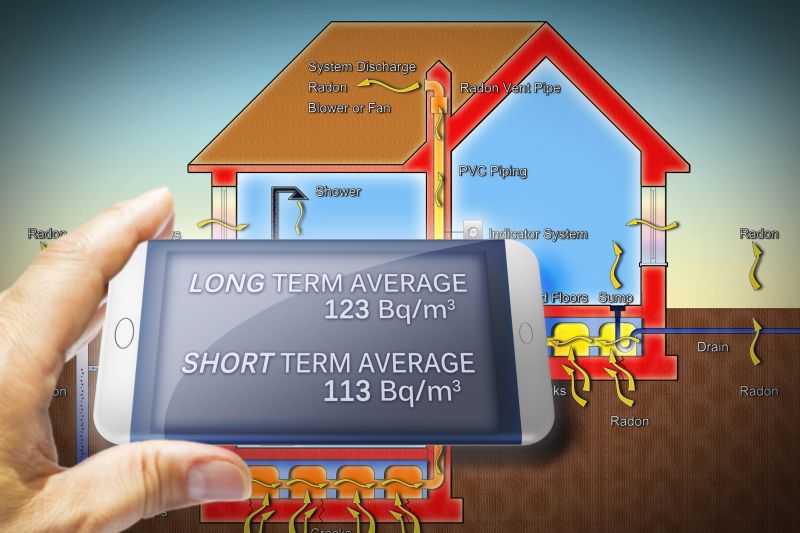
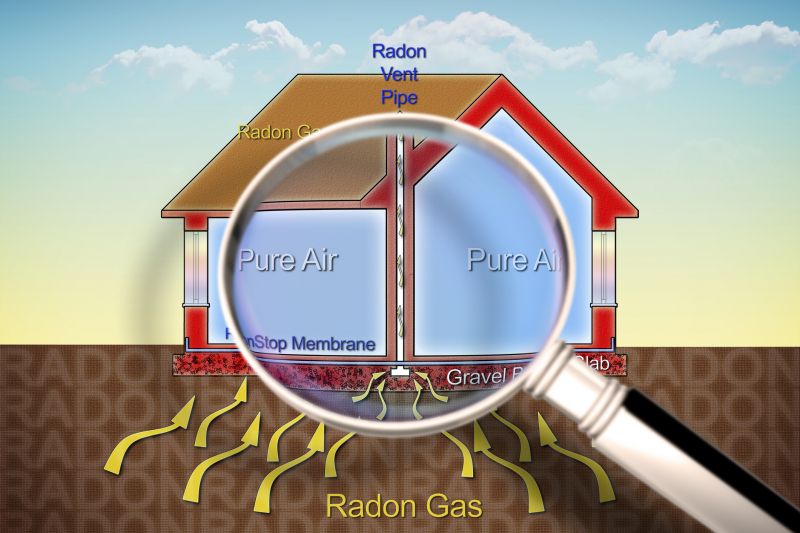
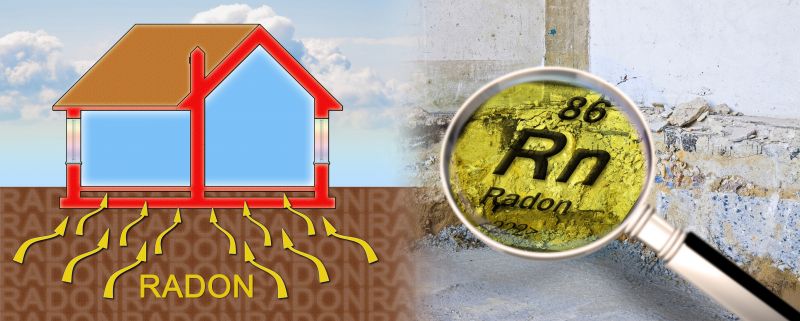
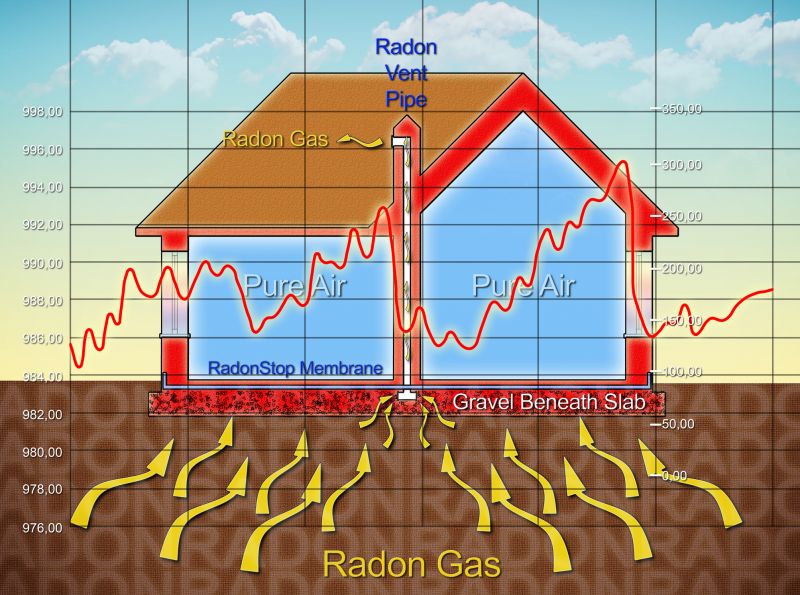
Radon gas abatement services involve the installation of systems designed to reduce radon levels within a property. These systems typically include venting solutions that draw radon from beneath the building and safely vent it outside, preventing it from accumulating indoors. The process often requires assessing the property's foundation and layout to determine the most effective method for radon reduction. Professionals in this field utilize specialized equipment and techniques to install these systems in a manner that minimizes radon infiltration and improves indoor air quality.
Radon gas is a naturally occurring radioactive element that can pose health risks when it accumulates in enclosed spaces. Elevated radon levels are linked to increased risks of lung cancer, making mitigation a crucial step for property owners concerned about indoor air safety. Abatement services help address these issues by significantly lowering radon concentrations, thereby creating a healthier living or working environment. Regular testing is recommended to identify radon presence, and mitigation systems are tailored to the specific needs of each property to ensure effective reduction.
Properties that typically utilize radon gas abatement services include residential homes, especially those with basements or crawl spaces, as well as commercial buildings and rental properties. Older structures or those built on soil with high radon emissions are more likely to require mitigation. Additionally, properties in areas known for higher radon levels often seek professional abatement solutions to maintain safe indoor environments. The goal is to ensure that radon levels are kept within safe limits, regardless of the property's age or type.
Engaging with local radon gas abatement specialists provides property owners with access to tailored solutions for radon reduction. These professionals assess the specific characteristics of each property and recommend appropriate mitigation systems. Whether for new construction, existing homes, or commercial spaces, working with experienced service providers can help address radon concerns effectively. Contacting local experts ensures that properties are equipped with the right systems to manage radon levels and promote healthier indoor environments.
The overview below groups typical Radon Gas Abatement projects into broad ranges so you can see how smaller, mid-sized, and larger jobs often compare in Grand Rapids, MI.
In many markets, a large share of routine jobs stays in the lower and middle ranges, while only a smaller percentage of projects moves into the highest bands when the work is more complex or site conditions are harder than average.
Radon Gas Abatement Cost - The typical cost for radon mitigation services ranges from $800 to $2,500, depending on the home's size and foundation type. For example, a standard basement radon reduction system may cost around $1,200. Costs can vary based on the complexity of the installation and local market rates.
System Installation Expenses - Installing a radon mitigation system generally falls between $1,000 and $2,000. Smaller homes or simple setups might be on the lower end, while larger or more complex systems can approach $2,500. The price reflects labor, materials, and system components used.
Additional Costs to Consider - Some projects may incur extra expenses such as sealing cracks or additional ventilation, which can add $200 to $600. These costs depend on the home's condition and the extent of radon reduction measures needed. Local pros evaluate each situation individually.
Cost Factors & Variations - Prices for radon abatement services vary based on home size, foundation type, and local labor rates. For instance, a single-story home might cost less than a multi-level one. Contact local providers for tailored estimates based on specific property details.
Actual totals will depend on details like access to the work area, the scope of the project, and the materials selected, so use these as general starting points rather than exact figures.
Radon Mitigation Systems - Professionals install radon mitigation systems to reduce indoor radon levels in residential and commercial buildings in Grand Rapids and surrounding areas.
Sub-Slab Depressurization - Local service providers implement sub-slab depressurization techniques to vent radon gas from beneath building foundations effectively.
Sealing and Ventilation Improvements - Contractors enhance existing ventilation and seal entry points to help lower radon concentrations indoors.
Foundation Testing and Analysis - Experts conduct testing and analysis of building foundations to identify radon entry points and recommend mitigation strategies.
Indoor Air Quality Assessments - Service providers assess indoor air quality to detect radon levels and advise on appropriate abatement methods.
Radon Abatement Consultations - Local pros offer consultations to evaluate radon risks and discuss potential mitigation options for homes and businesses.
When evaluating local radon gas abatement service providers, experience is a key factor to consider. Homeowners should look for contractors who have a proven track record in radon mitigation, with a history of successfully completing projects similar to their needs. It can be helpful to review any available references or testimonials from previous clients to gain insight into the contractor’s expertise and reliability. Clear communication about the scope of work and what to expect during the process is also essential, helping ensure that homeowners are well-informed and comfortable throughout the project.
Written expectations should be detailed and transparent, covering aspects such as the scope of services, estimated timelines, and any preparation or follow-up required. Reputable service providers typically provide comprehensive documentation that outlines these details upfront, reducing misunderstandings and ensuring that homeowners understand what will be done and what results to anticipate. This clarity can contribute to a smoother project experience and help homeowners feel confident in the contractor’s professionalism and approach.
Reputation and references are valuable indicators of a contractor’s quality and trustworthiness. Homeowners are encouraged to seek out local providers with positive reviews and verifiable references from previous clients in the area. Effective communication is also a critical aspect of the service relationship; responsive, clear, and professional interaction from the contractor can make the process more transparent and less stressful. By focusing on these factors-experience, written expectations, reputable references, and communication-homeowners can better compare local radon gas abatement service providers and select the one best suited to their needs.
Property owners in Grand Rapids, MI use Radon Gas Abatement services for practical projects around their homes and businesses. The sections below highlight everyday jobs and straightforward project options.
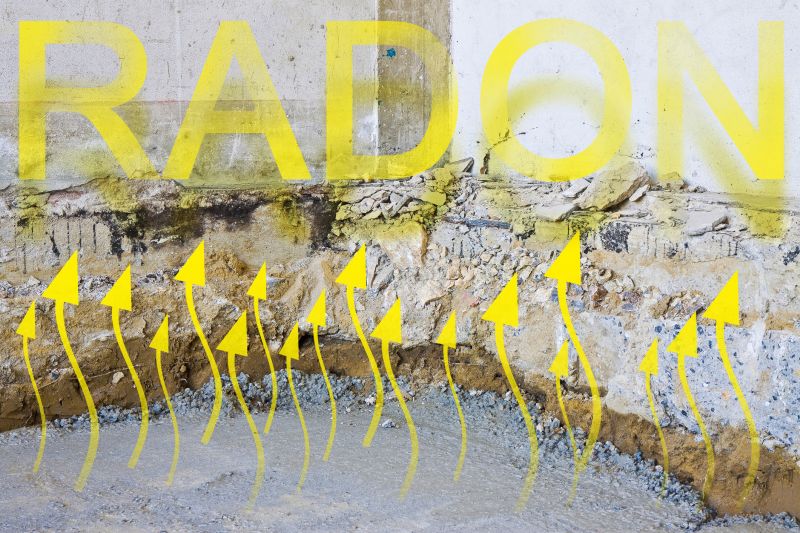
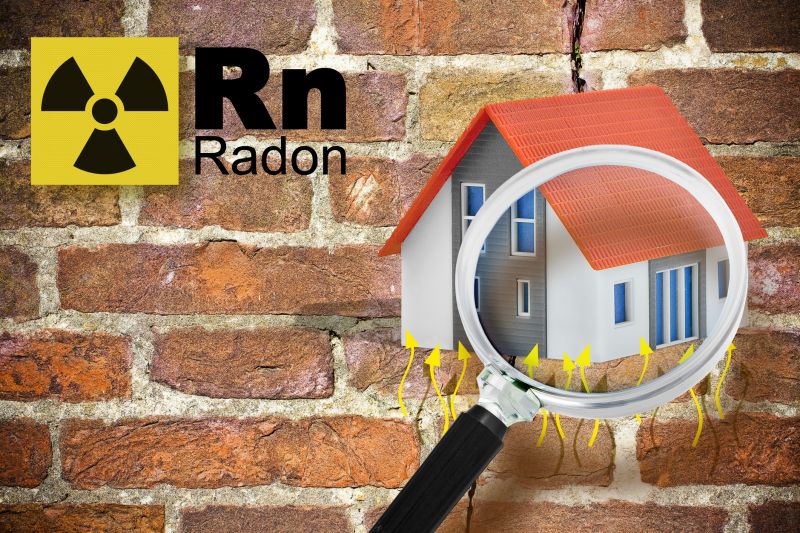
Radon gas abatement services are often sought by property owners in Grand Rapids, MI who are concerned about indoor air quality and health risks. Homes and buildings in the area may have elevated radon levels due to local soil conditions, prompting owners to explore mitigation options. Professionals specializing in radon reduction can assess indoor spaces and implement solutions to lower radon concentrations, helping to create safer living and working environments.
Additionally, property owners may pursue radon abatement when preparing to sell or purchase a home, as testing and reducing radon levels can be a key part of property inspections. Local service providers can assist with testing and installing mitigation systems, providing peace of mind and ensuring compliance with recommended safety standards. These services are a practical step for those looking to address radon concerns proactively.
What is radon gas abatement? Radon gas abatement involves reducing radon levels in indoor spaces through specialized mitigation techniques carried out by local service providers.
Why is radon gas mitigation important? Mitigating radon gas can help lower health risks associated with long-term exposure to elevated radon levels in homes and buildings.
How do professionals perform radon gas abatement? Local radon mitigation experts typically install ventilation systems or barriers to reduce radon accumulation indoors.
How can I find radon gas abatement services nearby? Contacting local contractors who specialize in radon mitigation can connect property owners with qualified service providers in the area.
What should I consider when choosing a radon mitigation provider? It's recommended to review local service providers' experience, reputation, and the mitigation methods they use for radon reduction.
Radon Testing Services - Professionals can perform comprehensive radon testing to assess indoor air quality and identify elevated radon levels.
Radon Mitigation System Installation - Local specialists offer solutions to reduce radon levels through the installation of effective mitigation systems.
Radon Level Monitoring - Ongoing radon monitoring services help maintain safe indoor environments and ensure mitigation systems are functioning properly.
Radon Inspection Consultation - Experts provide detailed inspections and advice to determine the best approach for radon abatement in residential or commercial properties.
Considering Radon Gas Abatement for a property in Grand Rapids, MI? The sections above highlight common project types, practical options, and details that often shape the scope of work.
When you are ready, use the quote form to share a few details about your project. Local pros can review the basics and respond with options that match what you have in mind.