Get Radon Gas Abatement in Denver, CO
Radon Gas Abatement services help Denver-area property owners reduce radon levels and address indoor air quality issues through professional mitigation projects.
Radon gas abatement services are essential for property owners in Denver, CO seeking to improve indoor air quality and protect their families’ health. Radon is a naturally occurring radioactive gas that can accumulate indoors, especially in areas with certain soil conditions. Professional radon mitigation specialists utilize proven techniques to reduce radon levels effectively, creating a safer living environment and providing peace of mind for residents.
In addition to safety, radon abatement can enhance overall home comfort and functionality. Lower radon levels contribute to a healthier indoor atmosphere, which can lead to increased curb appeal and a more inviting space. Many property owners also appreciate the durability and reduced maintenance that come with effective radon mitigation systems, ensuring long-term performance and safeguarding the value of their homes.
- Radon Gas Abatement services are essential when radon levels are found to be above safety thresholds in residential or commercial properties.
- These services are needed during home renovations or new construction projects in areas like Denver, CO, and neighboring communities.
- Radon mitigation is recommended for properties with persistent radon detection issues or after a radon test indicates elevated levels.
- Property owners considering real estate transactions may seek radon abatement to ensure safe indoor air quality.
- Radon gas reduction services are advised for buildings located in regions with known soil or rock formations that can emit radon.
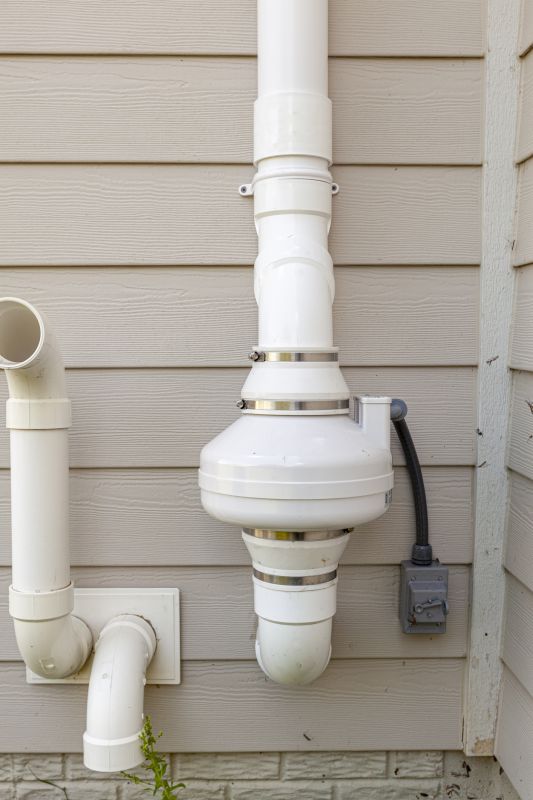
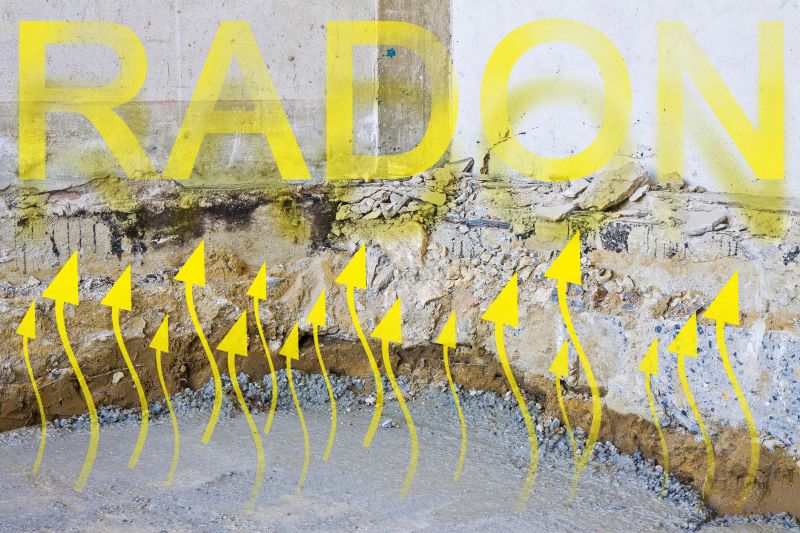
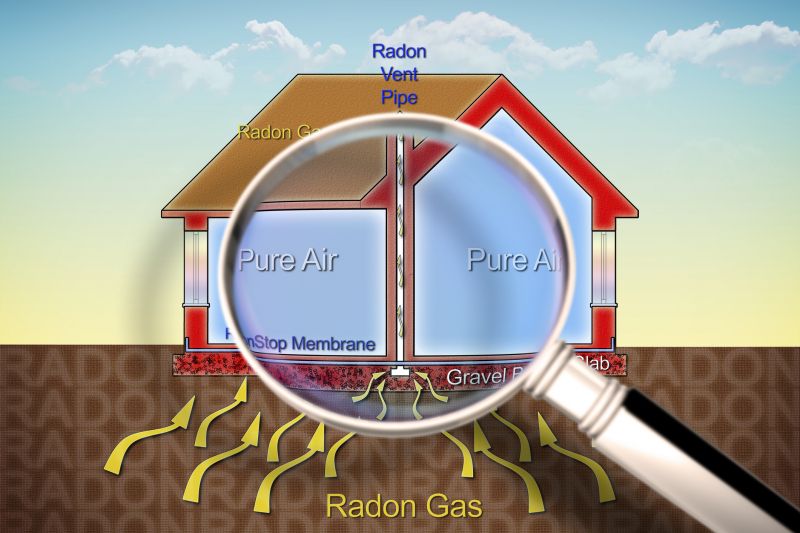
Radon gas abatement services involve the installation of systems designed to reduce radon levels within a property. These systems typically include venting solutions that draw radon from beneath the building and release it safely outside. The process may also involve sealing cracks and openings in the foundation to prevent radon entry, ensuring a comprehensive approach to lowering indoor radon concentrations. The goal of these services is to create a healthier indoor environment by effectively managing radon levels and minimizing potential health risks associated with prolonged exposure.
Radon is a naturally occurring radioactive gas that can accumulate indoors, especially in basements and lower levels of buildings. Elevated radon levels have been linked to increased risks of lung cancer, making it an important concern for property owners. Radon abatement services help address this issue by reducing the concentration of radon gas inside homes and commercial buildings. These services are particularly valuable in areas known for higher radon levels, as well as in properties that have tested positive for elevated radon concentrations, providing a proactive measure to improve indoor air quality.
Typically, radon abatement services are sought for residential properties, including single-family homes, condominiums, and townhouses. They are also applicable to certain commercial and multi-unit buildings where radon levels have been identified as a concern. Properties with basements or lower levels are often prioritized for radon mitigation, as these areas tend to have higher radon accumulation. Additionally, new construction projects may incorporate radon mitigation strategies during the building process to prevent future issues, making these services relevant across a range of property types.
Engaging with local radon gas abatement professionals can help property owners determine the most effective mitigation strategies for their specific needs. These experts assess the property’s radon levels and develop tailored solutions to ensure indoor air safety. Whether addressing existing radon problems or implementing preventative measures, connecting with experienced service providers can facilitate effective radon management. This approach supports property owners in maintaining healthier indoor environments and complying with relevant safety guidelines.
The overview below groups typical Radon Gas Abatement projects into broad ranges so you can see how smaller, mid-sized, and larger jobs often compare in Denver, CO.
In many markets, a large share of routine jobs stays in the lower and middle ranges, while only a smaller percentage of projects moves into the highest bands when the work is more complex or site conditions are harder than average.
Cost of Radon Gas Abatement - Typical expenses for radon mitigation services range from $800 to $2,500 depending on the home's size and foundation type. For example, a standard basement mitigation system might cost around $1,200. Costs can vary based on the complexity of the installation and local market rates.
Factors Influencing Costs - The overall price can be affected by the home's construction, with more extensive systems costing up to $3,000. Additional features like enhanced ventilation or custom ductwork may increase the expense. Local pros can provide estimates tailored to specific property needs.
Average Service Fees - Many radon abatement providers charge between $1,000 and $2,000 for standard installations in residential properties. Larger or multi-story homes might incur higher fees, potentially reaching $2,500 or more. Prices typically include system setup and initial testing.
Additional Cost Considerations - Expenses may include soil sealing or additional ventilation, which can add several hundred dollars to the total. Some providers offer package deals that cover testing, installation, and post-installation verification. Local professionals can help determine the most cost-effective solutions.
Actual totals will depend on details like access to the work area, the scope of the project, and the materials selected, so use these as general starting points rather than exact figures.
Radon Mitigation Systems - Local professionals install systems designed to reduce radon levels in residential and commercial properties, helping to improve indoor air quality.
Soil Venting Solutions - Service providers offer soil venting techniques that draw radon gas from beneath buildings to prevent accumulation indoors.
Foundation Sealing - Contractors specialize in sealing foundation cracks and openings to limit radon entry points into structures.
Indoor Air Quality Testing - Experts conduct radon testing services to identify elevated levels and recommend appropriate mitigation measures.
Sub-Slab Depressurization - Local pros implement sub-slab depressurization methods to effectively vent radon gas from beneath building foundations.
Building Ventilation Improvements - Service providers enhance ventilation systems to reduce radon concentration and improve indoor air safety.
When evaluating Radon Gas Abatement service providers, it is important to consider their level of experience in handling radon mitigation projects. Homeowners should look for contractors with a proven track record of successfully completing projects similar to their own, ensuring they are familiar with the specific challenges that may arise in local homes. Reputable providers often have clear communication about their process and what to expect, helping homeowners understand the scope and steps involved in radon reduction efforts.
Written expectations and detailed project plans are essential components of a reliable radon abatement service. Homeowners should seek providers who clearly outline the scope of work, the methods they intend to use, and any necessary preparations or follow-up procedures. This transparency helps set realistic expectations and provides a basis for evaluating the quality and professionalism of the service provider.
Reputable references and strong communication are key indicators of trustworthy radon mitigation specialists. Homeowners are encouraged to ask for references from previous clients or to seek out local reviews to gauge the experiences of others. Open and responsive communication from the service provider can facilitate a smoother process, ensuring that questions are answered promptly and that the homeowner remains informed throughout the project. The site introduces local options but does not perform the work, so homeowners should contact individual providers directly to assess their suitability for their specific needs.
Property owners in Denver, CO use Radon Gas Abatement services for practical projects around their homes and businesses. The sections below highlight everyday jobs and straightforward project options.
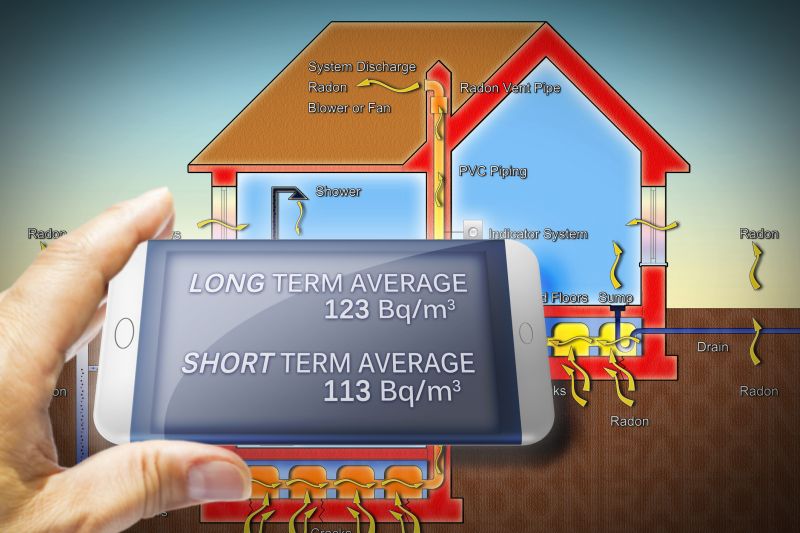
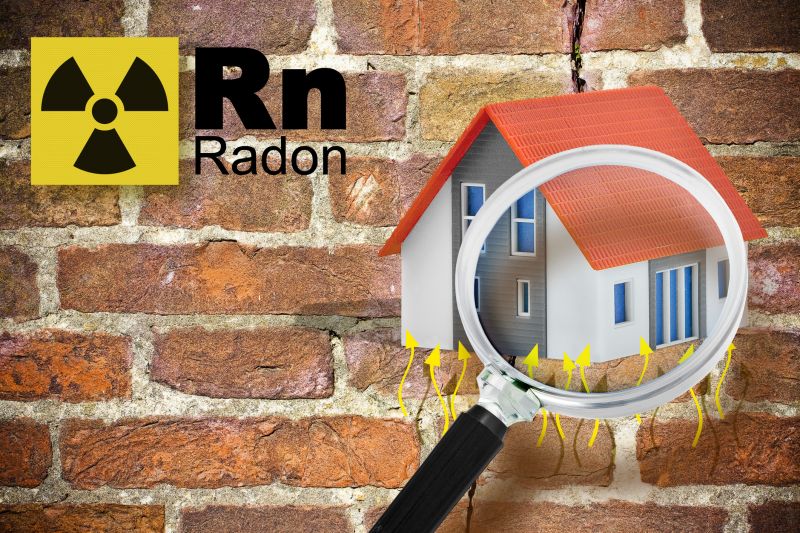
Radon gas abatement services are often sought by property owners in Denver, CO who are concerned about indoor air quality and health risks associated with elevated radon levels. Many homeowners and landlords may notice a musty odor or experience increased radon testing results during routine assessments, prompting them to explore mitigation options. These services are essential for those living in older or poorly ventilated buildings, where radon can accumulate more easily, especially in basements and lower levels.
Property owners might also seek radon mitigation when preparing a home for sale or purchase, as real estate transactions often include radon testing requirements. Additionally, residents who have experienced health issues or have a family history of radon-related concerns may look for local professionals to evaluate and reduce radon levels. Connecting with experienced service providers can help ensure indoor environments remain safe and compliant with local standards.
What is radon gas abatement? Radon gas abatement involves reducing radon levels in indoor spaces through specialized mitigation techniques provided by local service providers.
How do professionals perform radon mitigation? Local radon mitigation experts typically install venting systems and barriers to lower radon concentrations in homes and buildings.
Is radon gas abatement necessary for my property? Contacting local radon service providers can help determine if radon levels are elevated and if mitigation is recommended.
What are common radon mitigation methods? Techniques often include sub-slab depressurization, ventilation improvements, and sealing of entry points, performed by experienced providers.
How can I find a radon gas abatement professional near me? Use local service directories or contact providers specializing in radon mitigation to schedule an assessment or consultation.
Radon Testing Services - Professional radon testing providers can assess indoor air quality to identify elevated radon levels in residential and commercial properties.
Radon Mitigation Solutions - Local specialists offer radon mitigation services to reduce indoor radon concentrations through effective ventilation techniques.
Continuous Radon Monitoring - Experts can install continuous radon monitors to track radon levels over time for ongoing safety assessment.
Radon Inspection Consultations - Contact area professionals for comprehensive radon inspections and guidance on mitigation options.
Considering Radon Gas Abatement for a property in Denver, CO? The sections above highlight common project types, practical options, and details that often shape the scope of work.
When you are ready, use the quote form to share a few details about your project. Local pros can review the basics and respond with options that match what you have in mind.