Get Radon Gas Abatement in Minneapolis, MN
Radon Gas Abatement services help Minneapolis property owners reduce radon levels through mitigation systems and solutions for health concerns and indoor air quality.
Radon gas abatement services are essential for property owners in Minneapolis, MN who want to ensure a safe and healthy living environment. Radon is a naturally occurring radioactive gas that can accumulate indoors, potentially leading to health concerns over time. Professional abatement solutions help reduce radon levels effectively, providing peace of mind and creating a safer space for families and residents.
In addition to safety, radon mitigation can enhance the overall comfort and functionality of a property. Lower radon levels may contribute to improved air quality, which can make indoor environments more pleasant. Many property owners also appreciate the durability and reduced maintenance associated with proper radon control systems, along with the added curb appeal that comes from a well-maintained home environment. Connecting with experienced local service providers can help achieve these benefits efficiently and reliably.
- Radon Testing - needed when a property owner in Minneapolis, MN, or nearby areas suspects elevated radon levels.
- Radon Mitigation System Installation - required if testing indicates unsafe radon concentrations in residential or commercial buildings.
- Radon Reduction Services - sought when existing radon levels need lowering to meet safety guidelines in homes or workplaces.
- Radon Inspection - necessary during property transactions or renovations to assess radon presence and levels.
- Radon Abatement Consultation - useful for property owners seeking advice on radon risks and mitigation options.
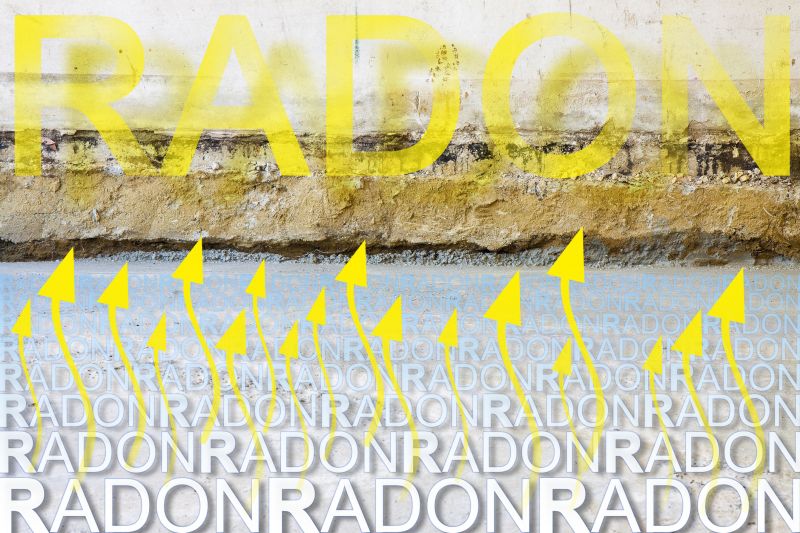
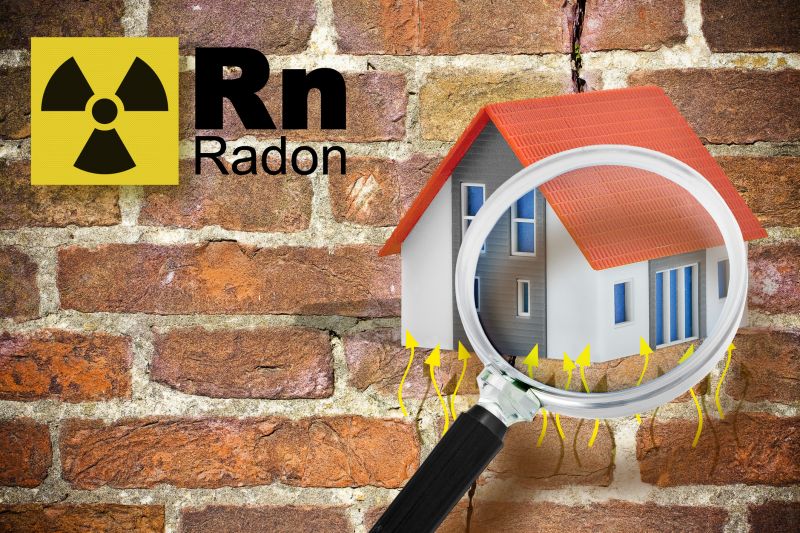
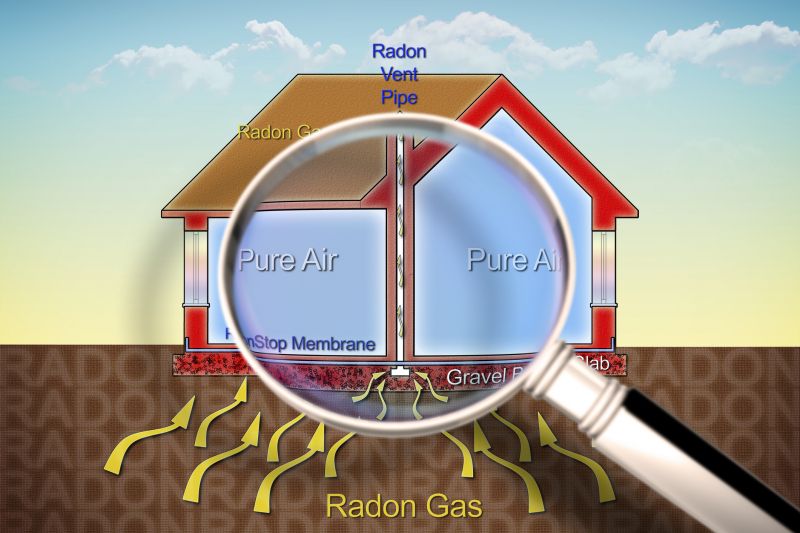
Radon gas abatement services involve identifying and reducing radon levels within residential and commercial properties. These services typically include thorough testing to determine indoor radon concentrations and the installation of specialized mitigation systems. The goal is to vent radon gas safely outside the building, preventing it from accumulating to harmful levels. Professionals may use various techniques, such as sub-slab depressurization or sealing entry points, to effectively lower radon concentrations and improve indoor air quality.
Radon gas presents significant health concerns, primarily because it is a radioactive element that can increase the risk of lung cancer when inhaled over prolonged periods. Elevated radon levels are often found in enclosed spaces with poor ventilation, making mitigation services essential for maintaining healthier indoor environments. These services help address the problem of radon infiltration, especially in areas where the soil or rock underlying a property naturally contains higher radon levels. Proper abatement can reduce radon exposure and contribute to a safer living or working space.
Properties that typically utilize radon gas abatement services include single-family homes, multi-family residences, and commercial buildings. Homes built on or near soil with high radon emissions are often tested and mitigated to ensure safety. Additionally, new construction projects may incorporate radon reduction measures during the building process. Buildings with basements or lower levels are more prone to radon accumulation, making mitigation services particularly relevant for these types of properties to ensure indoor air remains within safe limits.
Engaging with local radon gas abatement service providers offers property owners access to expert solutions tailored to their specific needs. These professionals assess the unique characteristics of each property, perform testing, and install appropriate mitigation systems. By working with experienced service providers, property owners can address radon concerns effectively, ensuring that indoor environments are healthier and compliant with safety standards. Contacting local specialists provides an opportunity to explore options for reducing radon levels and improving overall indoor air quality.
The overview below groups typical Radon Gas Abatement projects into broad ranges so you can see how smaller, mid-sized, and larger jobs often compare in Minneapolis, MN.
In many markets, a large share of routine jobs stays in the lower and middle ranges, while only a smaller percentage of projects moves into the highest bands when the work is more complex or site conditions are harder than average.
Radon Gas Abatement Installation - The cost for installing radon mitigation systems typically ranges from $800 to $2,500, depending on the home's size and foundation type. Example costs may be around $1,200 for a standard basement setup. Prices vary based on the complexity of the installation and local contractor rates.
Radon Testing Services - Professional radon testing usually costs between $100 and $300, with most homeowners paying around $150. The price depends on the type of test (short-term or long-term) and the property's location. Testing is essential before considering mitigation options.
Radon System Maintenance - Routine maintenance for radon mitigation systems generally costs between $100 and $300 per service visit. This includes system inspection, filter replacement, and performance checks. Costs may vary based on system complexity and service provider rates.
Radon Abatement Consultation - Consultation fees for radon abatement advice typically range from $100 to $250. This covers site assessment, system recommendations, and cost estimates. The price varies by provider and property size.
Actual totals will depend on details like access to the work area, the scope of the project, and the materials selected, so use these as general starting points rather than exact figures.
Radon Mitigation Systems - Professionals install systems designed to reduce radon levels in residential and commercial buildings, improving indoor air quality.
Sub-Slab Depressurization Services - Local service providers offer solutions to vent radon gas from beneath the foundation, preventing it from entering indoor spaces.
Foundation Sealing and Ventilation - Contractors enhance existing structures by sealing entry points and improving ventilation to limit radon infiltration.
Soil Gas Extraction - Experts implement soil gas extraction methods to remove radon before it can accumulate inside buildings.
Indoor Air Quality Testing - Testing services identify radon concentrations, helping determine the need for abatement solutions.
Radon Inspection and Consultation - Professionals assess properties to recommend appropriate radon mitigation strategies tailored to specific building needs.
Radon gas abatement services vary in experience among local contractors, making it important to consider how long a provider has been operating in the area. Experienced pros often have a deeper understanding of local building codes, common radon issues, and effective mitigation techniques specific to the region. When evaluating options, homeowners should inquire about a contractor’s history in the community and their familiarity with residential radon concerns in Minneapolis, MN, and surrounding neighborhoods.
Clear and detailed written expectations are essential when selecting a radon abatement service. Reputable providers typically offer comprehensive project descriptions, outlining the scope of work, materials used, and the steps involved in the mitigation process. This transparency helps ensure homeowners understand what to expect and can compare different service providers effectively. It’s advisable to review any written estimates or proposals carefully before making a decision.
Reputable references and good communication are key indicators of a reliable radon gas abatement contractor. Homeowners are encouraged to ask for references from previous clients or check online reviews to gauge satisfaction levels. Additionally, a contractor’s responsiveness and clarity in communication can reflect their professionalism and dedication to customer service. By considering these factors, homeowners can better identify local pros who are credible, transparent, and attentive to client needs.
Property owners in Minneapolis, MN use Radon Gas Abatement services for practical projects around their homes and businesses. The sections below highlight everyday jobs and straightforward project options.
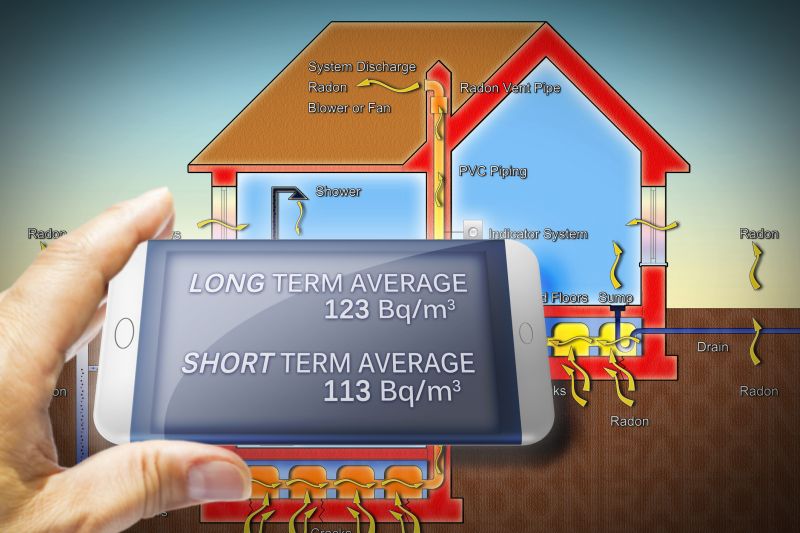
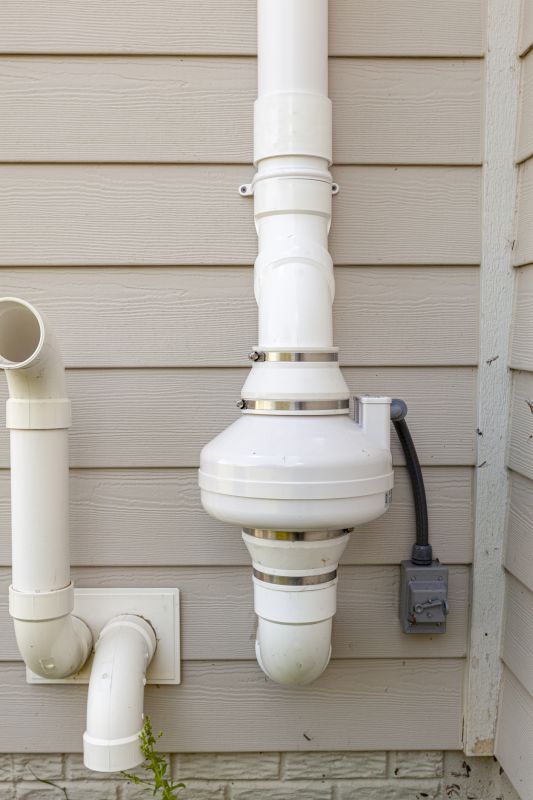
Radon gas abatement services are often sought by property owners in Minneapolis, MN who are concerned about indoor air quality. Radon, a naturally occurring radioactive gas, can accumulate in homes and buildings, especially in areas with soil that allows its seepage. Property owners might pursue radon mitigation to reduce health risks associated with long-term exposure, particularly in homes that have tested high for radon levels. Local service providers can assess indoor radon levels and recommend appropriate solutions to help create a safer living environment.
In addition to health concerns, property owners may look for radon abatement when preparing a home for sale or refinancing. Real estate transactions often require radon testing, and high levels may necessitate mitigation work to meet safety standards or buyer expectations. Whether for new homeowners or those maintaining existing properties, local contractors can provide solutions such as venting systems or sealing techniques to help manage radon levels effectively in Minneapolis-area homes and buildings.
What is radon gas abatement? Radon gas abatement involves reducing radon levels in indoor spaces through specialized mitigation techniques to improve air quality and safety.
How do professionals perform radon mitigation? Trained service providers typically install ventilation systems or sealing methods to lower radon concentrations in buildings.
Is radon gas abatement necessary for my home? Radon testing can determine if mitigation is needed; local pros can assess radon levels and recommend appropriate solutions.
How long does radon gas abatement take? The duration varies based on the property size and system complexity, with most installations completed within a day.
Can radon gas abatement be done in any type of building? Yes, mitigation services are available for residential, commercial, and multi-unit buildings to address radon concerns.
Radon Testing Services - Local professionals can perform comprehensive radon testing to assess indoor air quality and identify elevated radon levels.
Radon Mitigation System Installation - Experts offer installation of radon reduction systems to help lower radon concentrations in residential and commercial properties.
Radon System Maintenance & Inspection - Service providers can inspect and maintain existing radon mitigation systems to ensure optimal performance.
Radon Risk Assessment - Professionals can evaluate property locations for radon exposure risks to inform necessary mitigation measures.
Considering Radon Gas Abatement for a property in Minneapolis, MN? The sections above highlight common project types, practical options, and details that often shape the scope of work.
When you are ready, use the quote form to share a few details about your project. Local pros can review the basics and respond with options that match what you have in mind.