Get Radon Gas Abatement
Radon Gas Abatement services help property owners reduce radon levels through testing and mitigation projects like venting systems and sealing cracks.
If you’re concerned about radon gas levels in your property, you’ve come to the right place. Radon abatement services are essential for property owners who want to ensure a safe and healthy environment. Whether you're planning a renovation, preparing to sell, or simply want peace of mind, understanding your options and comparing local contractors can help you make informed decisions about managing radon risks effectively.
Exploring radon mitigation options involves assessing different approaches and choosing trusted local service providers. Many property owners find value in connecting with experienced contractors who can evaluate their specific situation and recommend practical solutions. Keep reading to discover how local professionals can assist with radon gas abatement and help you take the next step toward a safer property.
- Radon Testing - when homeowners suspect elevated radon levels in their property.
- Radon Mitigation System Installation - for residences or buildings with high radon concentrations detected during testing.
- Basement Radon Reduction - in homes where radon gas accumulates in below-grade living spaces.
- New Construction Radon Prevention - during building projects to incorporate radon-resistant features from the start.
- Radon Inspection Services - when real estate transactions require assessment of radon levels before purchase.
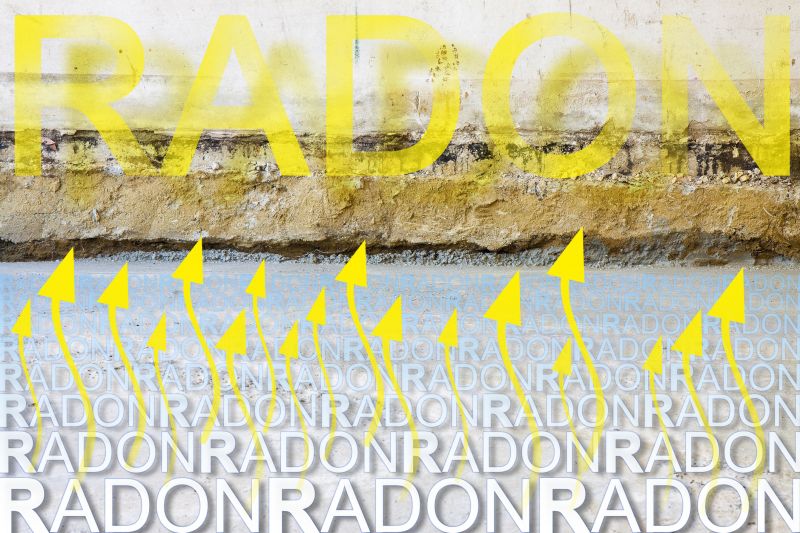
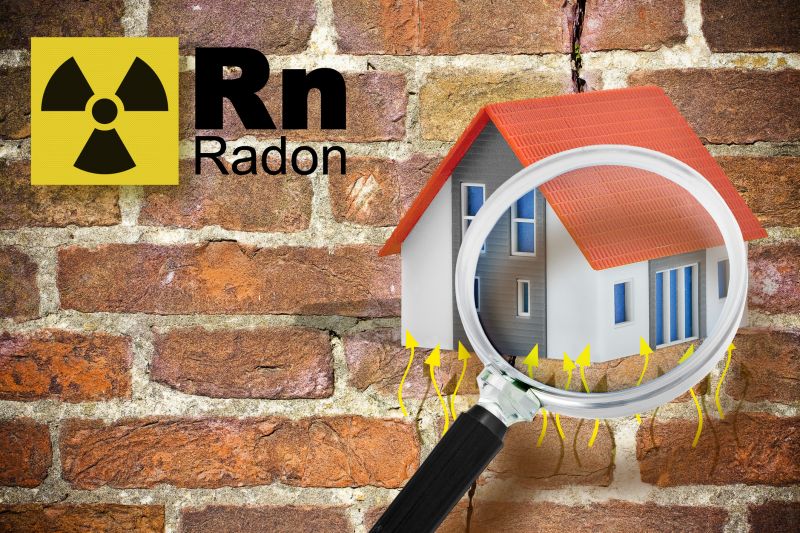
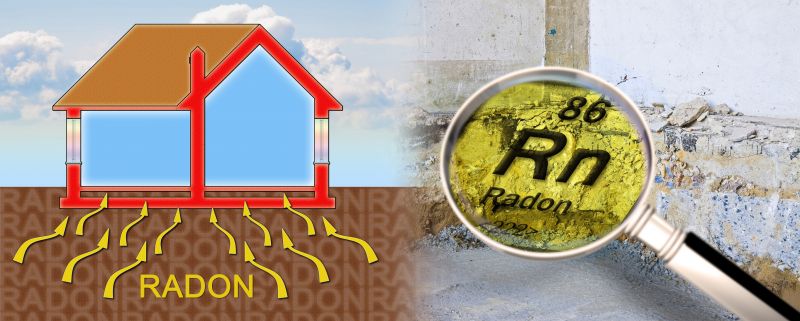
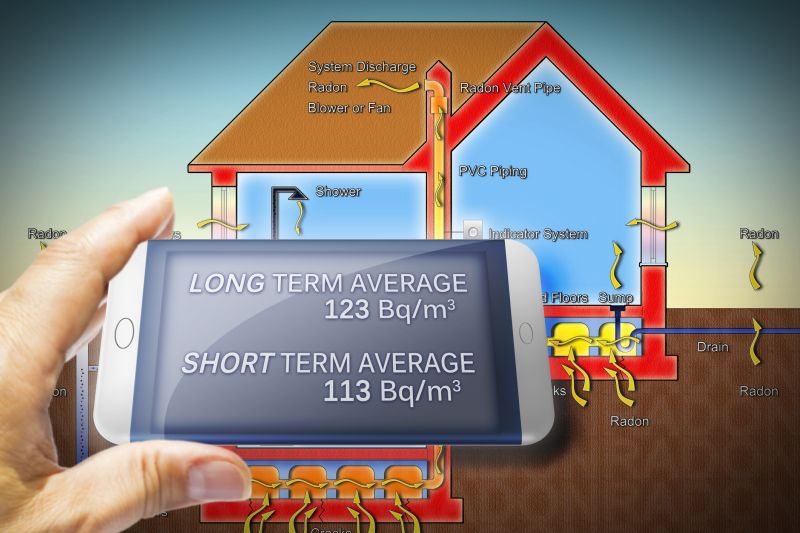
Radon gas abatement services involve identifying and reducing radon levels within a property to improve indoor air quality. The process typically begins with a thorough assessment to detect radon concentrations, often through specialized testing methods. Once elevated levels are confirmed, service providers install mitigation systems designed to vent radon safely outside the building, preventing it from accumulating indoors. These systems are tailored to fit the specific layout and construction of each property, ensuring effective and long-lasting results.
Radon gas is a naturally occurring radioactive substance that can seep into buildings from the soil and rocks beneath them. Prolonged exposure to high radon levels has been linked to health risks, including an increased chance of lung cancer. Radon abatement services help solve these problems by lowering indoor radon levels to safer ranges. This is especially important in homes where testing indicates elevated radon concentrations, or in regions known for higher radon presence. Property owners seeking peace of mind and healthier living conditions often turn to local contractors for radon mitigation.
These services are commonly used in a variety of property types, including single-family homes, multi-family residences, and even some commercial buildings. Homes built on or near soil with high radon levels are prime candidates for abatement. Older properties with cracks in the foundation or gaps around pipes are also more susceptible to radon infiltration. Additionally, new construction projects may incorporate radon mitigation measures during the building process to prevent future issues. Any property where radon testing shows elevated levels can benefit from professional abatement services.
Choosing to work with experienced service providers ensures that radon issues are addressed effectively and safely. Local contractors bring knowledge of regional radon conditions and building practices, making them well-equipped to handle the unique challenges of each property. Whether the goal is to improve indoor air quality, meet health guidelines, or prepare a property for sale, radon abatement services provide a practical solution. Contacting qualified local pros can help determine if radon mitigation is necessary and facilitate a tailored approach to ensure a healthier indoor environment.
The overview below groups typical Radon Gas Abatement projects into broad ranges so you can see how smaller, mid-sized, and larger jobs often compare in your area.
In many markets, a large share of routine jobs stays in the lower and middle ranges, while only a smaller percentage of projects moves into the highest bands when the work is more complex or site conditions are harder than average.
Smaller Repairs - For minor radon mitigation fixes, local contractors typically charge between $250 and $600. Many routine jobs fall within this range, covering simple sealing or small vent installations. Costs can vary based on the home's size and existing ventilation systems.
Standard Mitigation Systems - Installing a typical radon abatement system usually costs between $1,200 and $2,500. This range accounts for most standard projects in residential properties, with fewer cases exceeding $3,000 for larger or more complex setups.
Full System Replacement - Replacing or upgrading an existing radon mitigation system can range from $2,500 to $4,500. Larger homes or properties requiring extensive ductwork may see costs toward the higher end of this spectrum, though most projects stay within this band.
Complex or Custom Projects - Large or custom radon abatement solutions, such as those involving multiple levels or unique building features, can reach $5,000 or more. While less common, these projects tend to push into the higher cost ranges due to their specialized requirements.
Actual totals will depend on details like access to the work area, the scope of the project, and the materials selected, so use these as general starting points rather than exact figures.
Basement Waterproofing Projects - these projects require expertise in moisture control and ventilation systems, similar to radon mitigation techniques used to improve indoor air quality.
Indoor Air Quality Improvements - services focused on enhancing ventilation and reducing airborne contaminants share planning and technical skills with radon gas abatement.
Foundation Repair and Reinforcement - both involve assessing structural issues and implementing solutions that often require excavation and specialized equipment, akin to radon mitigation methods.
HVAC System Upgrades - upgrading or installing ventilation systems involves planning and tools comparable to those used in radon gas reduction strategies.
Mold Remediation Projects - these projects demand knowledge of moisture management and air circulation, aligning with the skills needed for radon mitigation.
Sealing and Insulation Services - effective sealing techniques to prevent air leaks are integral to both insulation and radon abatement efforts, sharing similar planning and execution skills.
When comparing service providers for radon gas abatement, it’s important to consider their experience with similar projects. Homeowners should look for local contractors who have a proven track record in installing radon mitigation systems in homes like theirs. Asking about the number of similar projects completed can provide insight into their familiarity with different home layouts and foundation types, helping to ensure the chosen professional has the practical knowledge needed for effective work.
Clear, written expectations are essential for a successful radon abatement project. Homeowners should seek out local pros who can provide detailed descriptions of the work involved, including the scope of the installation, materials used, and any necessary preparations. Having these expectations documented helps prevent misunderstandings and ensures that both parties are aligned on what the project entails, making the process more transparent and straightforward.
Reputable references and good communication are key factors when evaluating local service providers. Homeowners are encouraged to ask for references from previous clients who had similar work done, which can offer valuable insights into the contractor’s reliability and quality of work. Additionally, choosing a provider who communicates clearly and promptly can make the entire experience smoother, as it facilitates questions, clarifications, and updates throughout the project. Remember, this site introduces homeowners to local options, but the actual work is handled by trusted local contractors who can meet these important criteria.
Property owners use Radon Gas Abatement services for practical projects around their homes and businesses. This guide focuses on everyday jobs and straightforward project options.
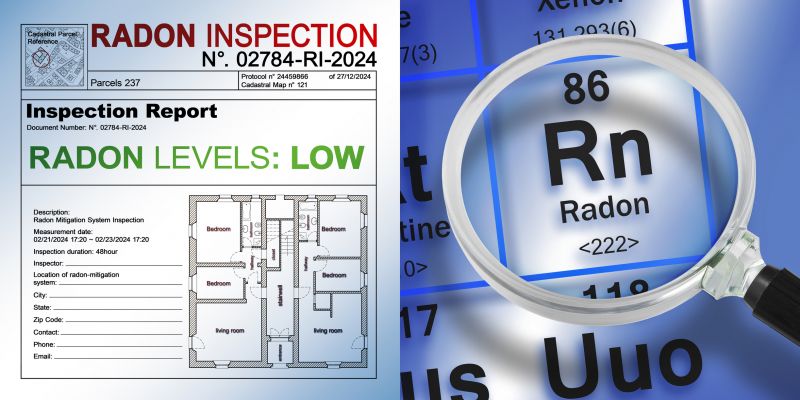
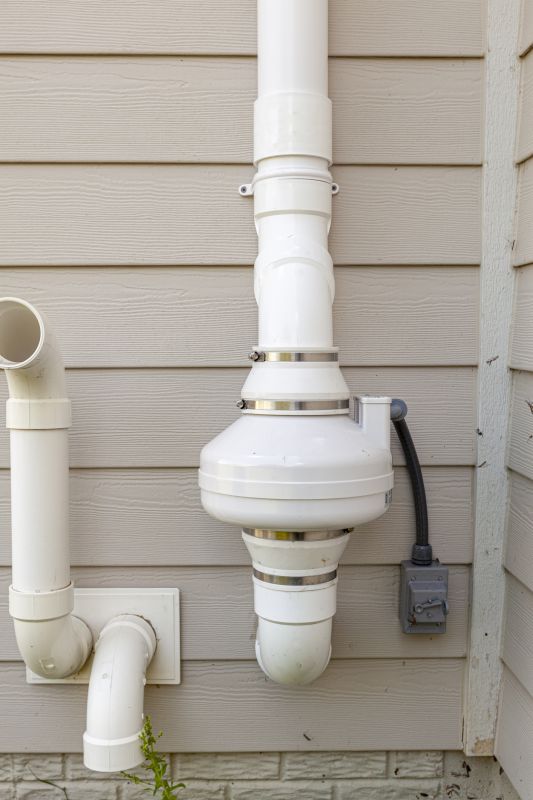
Radon gas abatement is a common concern for property owners who want to ensure a safe and healthy living or working environment. Many homeowners and business owners in the area seek these services when they notice signs of elevated radon levels or want to proactively reduce potential health risks. Local contractors specialize in testing and mitigation solutions that can help maintain indoor air quality and provide peace of mind for residents and tenants alike.
In addition, property owners often look for radon abatement services during real estate transactions, renovations, or when updating older buildings. These projects might require professional intervention to effectively lower radon concentrations and meet local standards. Service providers in the area are equipped to handle a variety of situations, offering tailored solutions to fit the specific needs of each property.
How can Radon Gas Abatement services improve indoor air quality? Radon gas abatement services help reduce radon levels inside a home, improving overall air quality and making the indoor environment safer for occupants.
What methods do Radon Gas Abatement contractors typically use? Contractors often use techniques such as soil suction systems, vent pipes, and sealing cracks to lower radon concentrations effectively.
Is Radon Gas Abatement necessary for all homes? Radon testing is recommended to determine if radon levels are elevated; abatement services are needed only if testing indicates unsafe levels.
How do local service providers ensure effective radon reduction? They assess the specific conditions of each property and implement tailored mitigation systems to achieve optimal radon reduction.
What should homeowners consider before hiring a Radon Gas Abatement contractor? It's important to verify that the contractor has experience with radon mitigation systems and understands local building conditions.
Identify Radon Risks - Property owners can have local contractors assess their homes to determine radon levels and understand potential health concerns.
Install Radon Mitigation Systems - Homeowners might consider installing radon reduction systems to improve indoor air quality and reduce radon exposure.
Improve Ventilation Strategies - Using professional guidance, property owners can enhance ventilation in basements and lower levels to help control radon buildup.
Schedule Regular Testing - Regular radon testing can be arranged through local service providers to monitor indoor air quality over time.
If you are thinking about Radon Gas Abatement for a property, this guide is meant to help you understand the work, the typical project types, and how different options might fit your plans.
When you are ready, you can use the quote form on this page to share a few details about your project. From there, local pros can review the basics and respond with options that match what you have in mind.