Get Radon Gas Abatement in Nashville, TN
Radon gas abatement services help Nashville property owners reduce indoor radon levels, addressing health concerns through mitigation and ventilation system installations.
Radon gas abatement services are essential for property owners in Nashville, TN who want to ensure a healthier living environment. Radon is a naturally occurring radioactive gas that can seep into homes through cracks in foundations and other openings, posing potential health risks over time. Professional abatement solutions help reduce radon levels effectively, providing peace of mind and contributing to a safer home for families and residents.
In addition to safety, radon mitigation can enhance overall property value and curb appeal. By installing proper ventilation systems and sealing entry points, property owners can enjoy improved comfort and reduced concerns about indoor air quality. These services often lead to lower maintenance needs, as well-maintained radon systems help preserve the integrity of the foundation and structural components, making homes more durable and easier to manage over time.
- Radon Gas Abatement services are recommended when elevated radon levels are detected in residential or commercial properties.
- Homeowners in areas like Nashville, TN may seek radon mitigation to reduce health risks associated with long-term exposure.
- Radon mitigation might be necessary during property inspections or prior to real estate transactions in regions with known radon concerns.
- Property owners experiencing indoor air quality issues related to radon can contact local service providers for abatement solutions.
- Radon gas reduction services are essential for buildings in areas where radon testing indicates levels above safety thresholds.
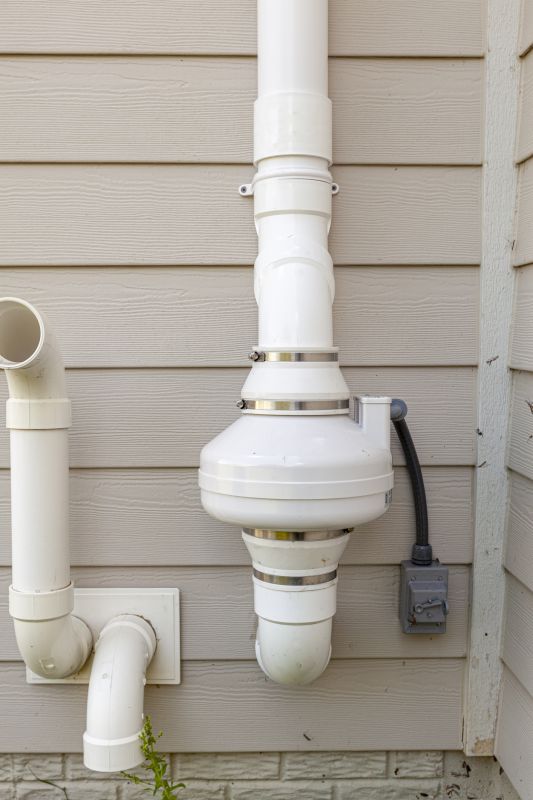
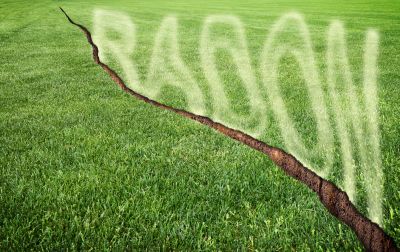
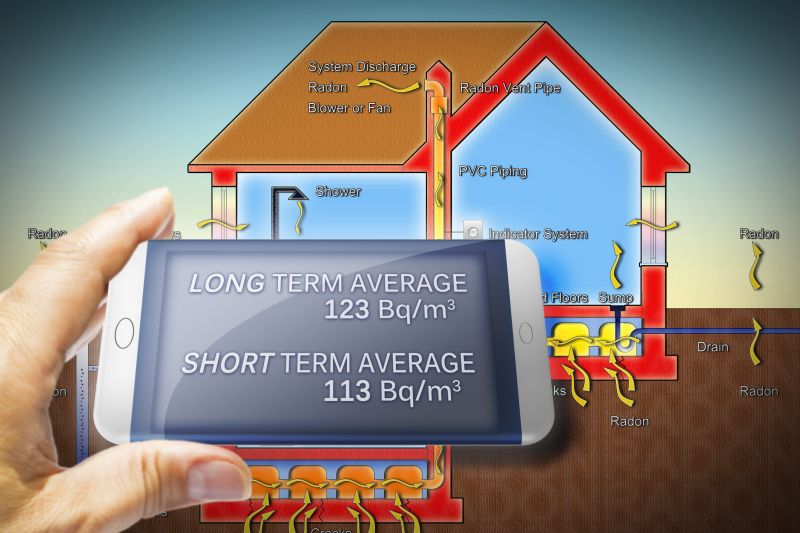
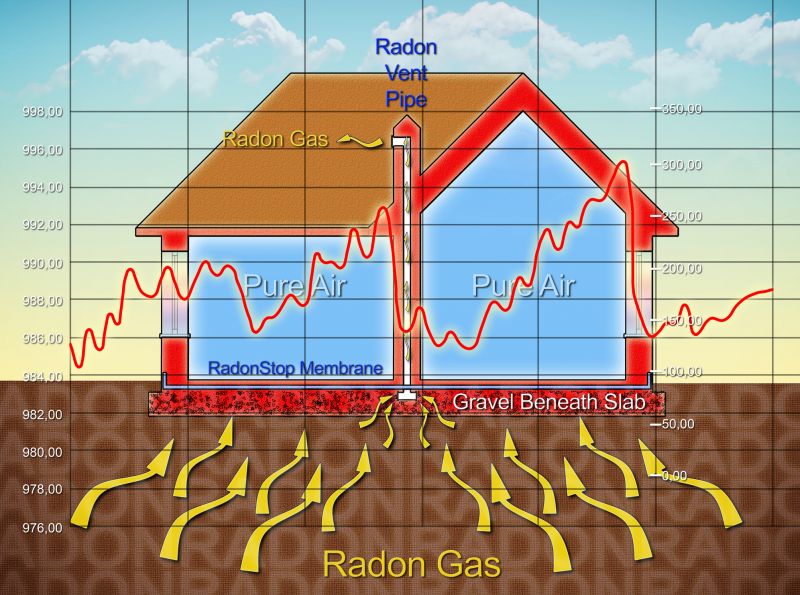
Radon gas abatement services involve the installation of systems designed to reduce radon levels within a property. These services typically include the assessment of radon concentrations, followed by the implementation of mitigation strategies such as sub-slab depressurization or venting systems. The goal is to create a safer indoor environment by effectively venting radon gas from beneath the building and releasing it outside, preventing it from accumulating indoors. Professionals in this field evaluate the specific characteristics of each property to determine the most appropriate and effective mitigation approach.
Radon gas poses health concerns primarily because it is a radioactive gas that can accumulate indoors over time. Prolonged exposure to elevated radon levels has been linked to an increased risk of lung cancer. Radon abatement services help address these problems by significantly lowering indoor radon concentrations, thereby reducing health risks for occupants. These services are especially important in areas where radon levels are known to be high or where homes and buildings have tested positive for elevated radon levels, ensuring that indoor environments meet safety standards.
Properties that typically utilize radon gas abatement services include residential homes, especially those in regions with higher natural radon emissions. Additionally, commercial buildings, schools, and public facilities may also seek mitigation solutions to ensure safe indoor air quality. Older structures or homes with basements and crawl spaces are often more vulnerable to radon infiltration, making them common candidates for radon abatement. Property owners interested in safeguarding indoor air quality or preparing a property for sale may contact local service providers to evaluate and implement radon reduction measures.
Engaging with local radon gas abatement professionals provides access to tailored solutions suited to specific property needs. These experts assess the radon levels and recommend appropriate mitigation systems to reduce indoor concentrations effectively. Property owners can then choose from a range of mitigation options, ensuring that their indoor environments are safer for occupants. Contacting qualified local providers is a key step toward addressing radon concerns and maintaining healthier indoor air quality.
The overview below groups typical Radon Gas Abatement projects into broad ranges so you can see how smaller, mid-sized, and larger jobs often compare in Nashville, TN.
In many markets, a large share of routine jobs stays in the lower and middle ranges, while only a smaller percentage of projects moves into the highest bands when the work is more complex or site conditions are harder than average.
Initial Testing - Radon testing costs typically range from $150 to $300 for a professional assessment. The price varies based on the size of the property and the type of test used. Some providers may charge more for additional testing or detailed reports.
Mitigation System Installation - Installing a radon mitigation system usually costs between $1,000 and $2,500. Factors influencing the cost include the home's size, foundation type, and complexity of the installation process. Additional components or custom solutions may increase the overall price.
System Maintenance - Routine maintenance for radon mitigation systems generally costs around $100 to $300 annually. This includes inspections, filter replacements, and system adjustments to ensure optimal performance. Some providers include maintenance in their initial installation package.
Additional Services - Extra services such as advanced testing, system upgrades, or post-mitigation verification can add $200 to $600 or more. Costs vary depending on the scope of work and specific property requirements. Local pros can provide detailed quotes based on individual needs.
Actual totals will depend on details like access to the work area, the scope of the project, and the materials selected, so use these as general starting points rather than exact figures.
Radon Mitigation Systems - Local service providers install systems designed to reduce radon levels in residential and commercial properties, helping to improve indoor air quality.
Radon Testing Services - Professionals offer testing solutions to accurately measure radon concentrations, identifying areas that require abatement efforts.
Sub-Slab Depressurization - Contractors utilize sub-slab depressurization techniques to effectively lower radon levels in basements and ground-level spaces.
Sealing and Ventilation Solutions - Service providers implement sealing and ventilation strategies to prevent radon entry and improve airflow in affected buildings.
Foundation Inspection and Repair - Experts assess foundation cracks and entry points, providing repair options to minimize radon infiltration.
Indoor Air Quality Consultation - Local pros evaluate indoor environments to recommend appropriate radon abatement methods tailored to specific property needs.
Radon gas abatement services can vary significantly in terms of experience and expertise. When comparing local pros, it’s important to consider how long each provider has been operating in the community and their familiarity with the specific challenges faced in the Nashville area. Experienced contractors tend to have a deeper understanding of effective mitigation techniques and are better equipped to handle unique home layouts or construction types. Homeowners should inquire about the background of the service providers to ensure they have a solid track record in radon reduction projects similar to their own.
Clear communication and well-defined written expectations are essential when selecting a radon abatement specialist. Reputable providers typically offer detailed information about their process, what homeowners can expect during and after the work, and any necessary preparations or follow-up steps. Transparent communication helps prevent misunderstandings and ensures that homeowners are fully informed about the scope of services. It’s advisable to seek out providers who are willing to provide comprehensive explanations and written estimates that outline the work involved.
References and reputation are key indicators of a contractor’s reliability. Homeowners should look for local pros with established reputations and positive references from past clients. While the site introduces options for radon gas abatement, it is important to independently verify a provider’s reputation through reviews or references. Good communication and a history of satisfied customers can offer peace of mind that the selected professional will deliver quality work. Ultimately, choosing a provider who demonstrates professionalism, responsiveness, and a solid reputation can contribute to a successful radon mitigation experience.
Property owners in Nashville, TN use Radon Gas Abatement services for practical projects around their homes and businesses. The sections below highlight everyday jobs and straightforward project options.
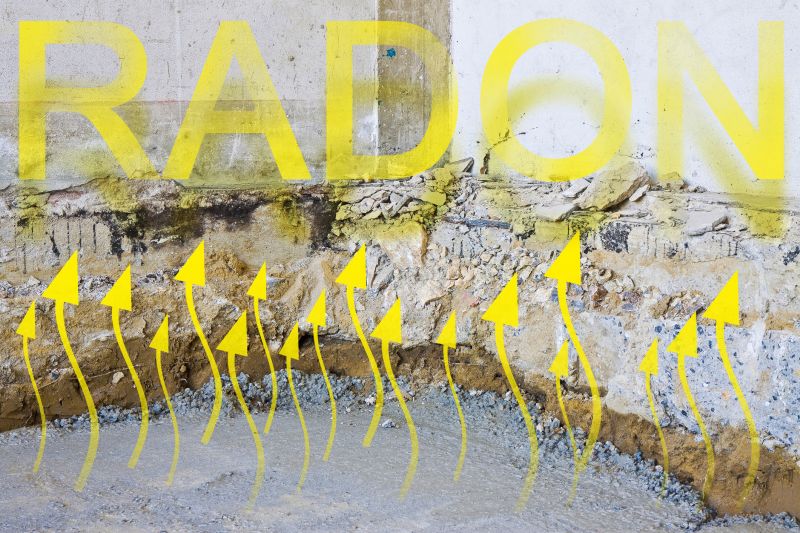
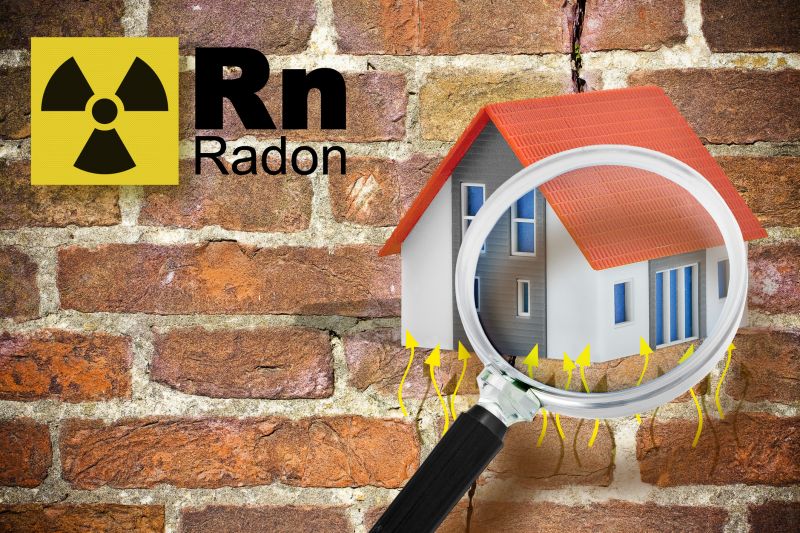
Radon gas abatement services are often sought by property owners in Nashville, TN who are concerned about indoor air quality and health. Radon is a naturally occurring radioactive gas that can accumulate inside homes and buildings, especially in areas with certain soil and rock compositions. Property owners may decide to have radon testing performed to determine if levels are elevated, and if necessary, they might pursue mitigation solutions to reduce radon concentration to safer levels. These services are particularly relevant for those purchasing a new home or planning renovations, as well as for existing homeowners looking to improve indoor air safety.
Many Nashville residents consider radon abatement when they learn about potential health risks associated with prolonged exposure to elevated radon levels. Property owners might also seek these services after receiving test results indicating high radon levels, or if they notice signs such as musty odors or increased humidity that could suggest indoor air issues. Local professionals who specialize in radon mitigation can help evaluate properties and implement effective solutions to manage radon levels, contributing to healthier living environments.
What is radon gas abatement? Radon gas abatement involves installing systems or measures to reduce radon levels in indoor spaces, helping to improve air quality and safety.
How do radon mitigation systems work? These systems typically vent radon from beneath the building to the outside, preventing it from accumulating indoors.
Who should consider radon gas abatement services? Homeowners or property owners in areas with elevated radon levels may seek radon mitigation to reduce indoor radon concentrations.
How can I find local radon abatement professionals? Contacting local service providers or specialists in radon mitigation can connect property owners with qualified experts in the area.
Are radon abatement services suitable for all buildings? Radon mitigation can be adapted for various types of buildings, but a professional assessment is recommended to determine the best solution.
Radon Testing Services - Professionals offer testing options to identify radon levels in residential and commercial properties. Accurate testing helps determine if mitigation is necessary.
Radon Mitigation System Installation - Local service providers can install effective radon reduction systems to lower indoor radon concentrations. Proper installation ensures safer indoor air quality.
Radon Inspection Consultations - Experts provide thorough inspections to assess radon risks and recommend appropriate abatement strategies. Contact for guidance on testing and mitigation options.
Radon Abatement Planning - Planning services help property owners develop tailored radon mitigation plans to address elevated radon levels effectively.
Considering Radon Gas Abatement for a property in Nashville, TN? The sections above highlight common project types, practical options, and details that often shape the scope of work.
When you are ready, use the quote form to share a few details about your project. Local pros can review the basics and respond with options that match what you have in mind.