Get Radon Gas Abatement in Orlando, FL
Radon Gas Abatement services help Orlando-area property owners reduce radon levels through mitigation systems, addressing health risks and improving indoor air quality.
Radon gas abatement services are essential for property owners in Orlando, FL seeking to improve indoor air quality and ensure a safer living environment. These services focus on reducing radon levels that can accumulate indoors, providing peace of mind for residents concerned about long-term health effects. By addressing radon infiltration, property owners can enhance the overall safety and comfort of their homes, making them healthier spaces for family and guests alike.
Additionally, radon mitigation can positively impact a property's functionality and curb appeal. Lower radon levels often lead to reduced maintenance needs by preventing indoor air quality issues that may cause mold or other problems. A well-maintained home with effective radon abatement can also be more attractive to potential buyers, supporting long-term durability and value. Connecting with experienced local service providers can help property owners achieve these benefits efficiently and reliably.
- Radon Gas Abatement services are recommended when elevated radon levels are detected in residential or commercial properties in cities like Orlando and nearby areas.
- These services are essential for homes or buildings where radon testing indicates unsafe concentrations that could pose health risks.
- Radon mitigation may be needed in new constructions or renovations to ensure indoor air quality meets safety standards.
- Properties in regions with soil or geological factors conducive to radon infiltration should consider abatement services proactively.
- Contact local radon mitigation specialists to assess and reduce radon levels in properties across Orlando, FL, and surrounding communities.
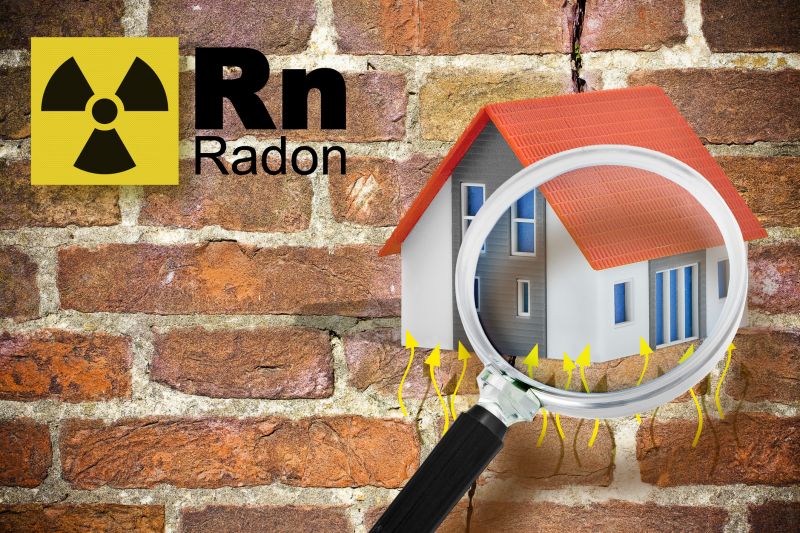
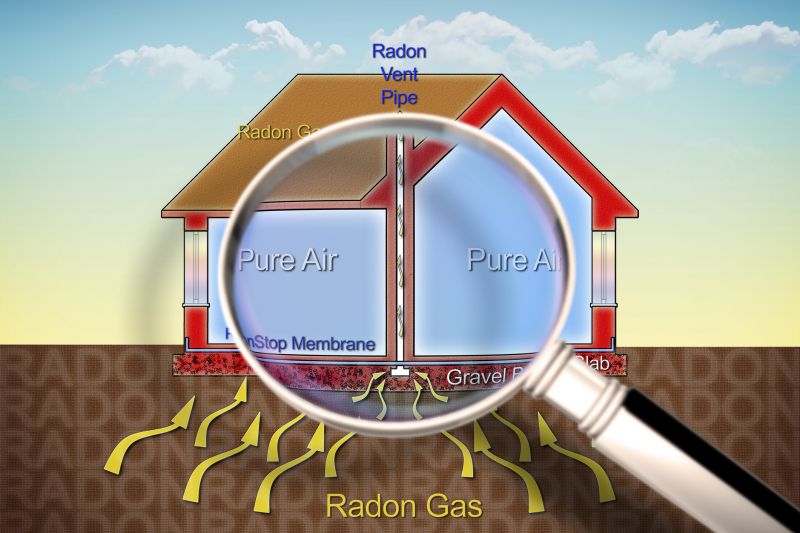
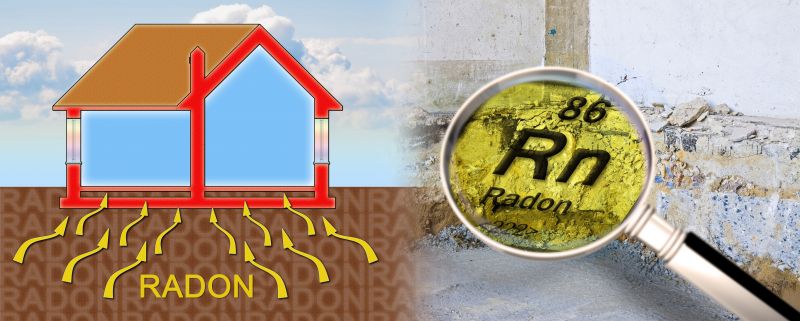
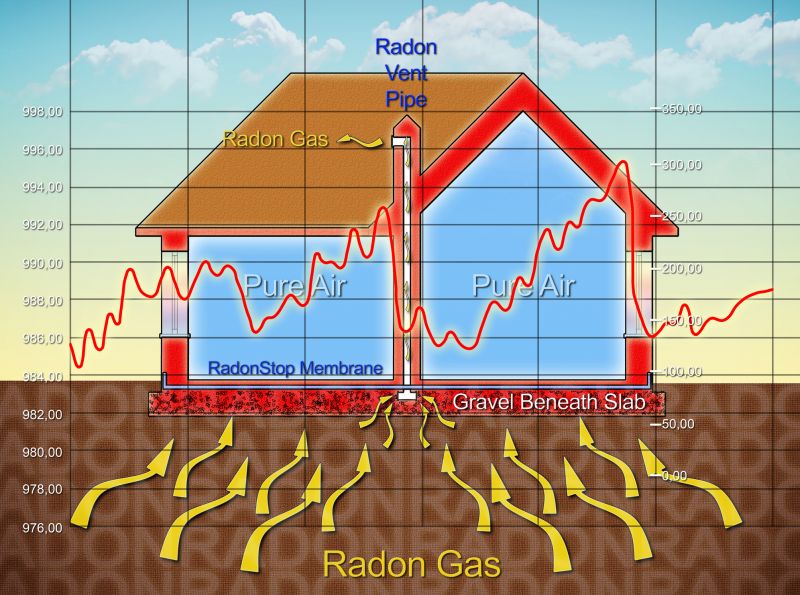
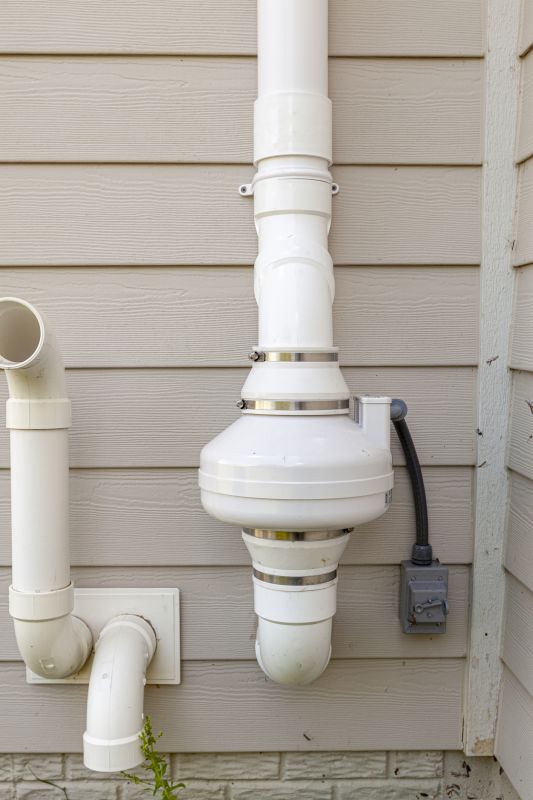
Radon gas abatement services involve the installation of systems designed to reduce indoor radon levels. These services typically include the assessment of a property’s radon levels, followed by the installation of venting systems such as sub-slab depressurization or soil suction methods. These systems work by drawing radon gas from beneath the building and venting it safely outside, preventing it from accumulating indoors. Professionals in this field evaluate the specific needs of each property to determine the most effective mitigation approach, ensuring that radon levels are lowered to meet safety standards.
Radon gas is a radioactive element that can pose health risks when it accumulates in enclosed spaces. Elevated radon levels are linked to an increased risk of lung cancer, making mitigation essential for properties with high radon concentrations. Radon abatement services help address this problem by reducing indoor radon levels to safer thresholds. These services are especially important in areas known for higher radon occurrences, as well as in homes and buildings where previous testing has indicated elevated radon levels. Proper mitigation can significantly improve indoor air quality and reduce potential health hazards.
The types of properties that typically utilize radon gas abatement services include residential homes, especially those built on soil with high radon potential. Single-family houses are common candidates, as well as multi-family dwellings and apartment complexes. Commercial buildings, such as office spaces and retail stores, may also require radon mitigation if testing reveals unsafe levels. In addition, new construction projects often incorporate radon reduction systems during the building process to ensure safe indoor environments from the outset. These services are essential for properties in regions where radon exposure is a known concern.
Engaging with local radon gas abatement professionals provides property owners with tailored solutions to manage radon risks effectively. These specialists assess the unique characteristics of each property, recommend appropriate mitigation strategies, and implement systems designed to reduce radon levels. By addressing radon concerns proactively, property owners can create safer indoor environments and comply with recommended safety standards. Connecting with experienced service providers ensures that radon mitigation efforts are performed efficiently and effectively, helping to maintain healthier indoor air quality.
The overview below groups typical Radon Gas Abatement projects into broad ranges so you can see how smaller, mid-sized, and larger jobs often compare in Orlando, FL.
In many markets, a large share of routine jobs stays in the lower and middle ranges, while only a smaller percentage of projects moves into the highest bands when the work is more complex or site conditions are harder than average.
Installation Costs - The cost for radon gas abatement system installation typically ranges from $800 to $2,500. Factors influencing price include home size, foundation type, and system complexity.
Testing Expenses - Radon testing services usually cost between $100 and $300. This fee covers initial assessments to determine radon levels and the need for mitigation.
Maintenance and Monitoring - Ongoing monitoring or maintenance of radon mitigation systems can cost approximately $50 to $200 annually. Regular checks ensure system effectiveness and safety.
Additional Costs - Some properties may require additional work, such as sealing cracks or improving ventilation, which can add $200 to $1,000 to the overall expense. These costs vary based on the home's condition and size.
Actual totals will depend on details like access to the work area, the scope of the project, and the materials selected, so use these as general starting points rather than exact figures.
Radon Mitigation Systems - Contractors specializing in radon mitigation systems can install ventilation solutions that reduce indoor radon levels effectively. These services are suitable for homes and buildings seeking to improve air quality.
Radon Testing Services - Local radon testing providers conduct assessments to identify radon concentrations within residential and commercial properties. Testing helps determine if mitigation measures are necessary.
Soil Depressurization Solutions - Professionals offering soil depressurization techniques install barriers and vent pipes to prevent radon entry from the ground into indoor spaces. These methods are common in new construction and existing buildings.
Indoor Air Quality Improvement - Specialists focus on enhancing indoor air quality by addressing radon infiltration through various abatement methods. This service is essential for maintaining safe living and working environments.
Radon Sealant Application - Contractors may apply sealants to foundation cracks and openings to limit radon seepage. This approach complements other mitigation strategies for comprehensive radon reduction.
Consultation and Radon Risk Evaluation - Service providers offer evaluations to assess radon risk levels and recommend appropriate abatement options. These consultations support informed decisions for property owners.
When selecting a radon gas abatement service provider, it is important to consider the experience of the local contractors. Homeowners should look for professionals who have a proven track record in radon mitigation, with a history of successfully completing projects similar to their needs. Reputable providers often have a portfolio of completed work and can offer references that attest to their expertise and reliability. Ensuring that the contractor has extensive experience can help ensure that the mitigation system is installed correctly and functions effectively over time.
Clear communication and written expectations are vital when working with radon abatement specialists. Homeowners should seek providers who offer detailed explanations of the mitigation process, including the methods used and the scope of work involved. Establishing transparent, written agreements can help prevent misunderstandings and ensure that all parties are aligned on project goals. Reputable contractors typically provide comprehensive documentation and are willing to answer questions thoroughly, fostering a smooth and informed working relationship.
Reputation and references are key factors to consider when evaluating local radon mitigation professionals. Homeowners are encouraged to ask for references from previous clients and to verify the provider’s standing within the community. Reputable service providers often have positive feedback from past projects, which can be a useful indicator of their reliability and quality of work. Additionally, good communication practices-such as responsiveness and clarity-are essential for a successful partnership, helping ensure that expectations are met and concerns are addressed throughout the project.
Property owners in Orlando, FL use Radon Gas Abatement services for practical projects around their homes and businesses. The sections below highlight everyday jobs and straightforward project options.
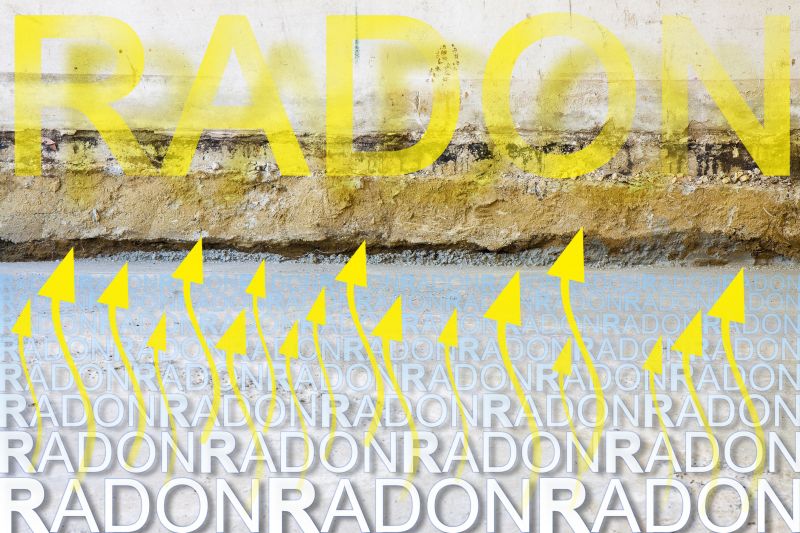
Radon gas abatement services are often sought by property owners in Orlando, FL who are concerned about indoor air quality and health risks. Radon is a naturally occurring radioactive gas that can seep into homes and buildings through cracks in foundations, gaps around pipes, or other openings. Residents may notice a musty smell or experience concerns about long-term exposure, prompting them to explore mitigation options to reduce radon levels and improve indoor safety.
In many cases, property owners consider radon mitigation when purchasing a new home or after receiving radon test results indicating elevated levels. These services are also common in older buildings where structural issues may allow more radon infiltration. Local service providers can evaluate properties and recommend appropriate solutions to help reduce radon concentrations, supporting healthier indoor environments in Orlando and nearby communities.
What is radon gas abatement? Radon gas abatement involves reducing radon levels in indoor spaces through specialized mitigation techniques performed by local service providers.
Why is radon mitigation important? Mitigating radon levels helps lower the risk of health issues associated with long-term exposure to elevated radon concentrations indoors.
How do professionals perform radon gas abatement? Local radon mitigation specialists typically install systems such as vent pipes and fans to safely vent radon outside of the building.
How long does radon abatement usually take? The duration varies depending on the property, but most mitigation projects can be completed within a day or two by local service providers.
How can I find radon gas abatement services nearby? To connect with local radon mitigation experts, contact a trusted service provider in the Orlando, FL area or nearby communities.
Radon Testing Services - Local professionals can perform comprehensive radon testing to identify levels within residential and commercial properties. Accurate testing helps determine if mitigation measures are necessary.
Radon Mitigation System Installation - Experts offer installation of radon reduction systems to lower indoor radon levels effectively. Proper installation can improve indoor air quality and safety.
Radon Level Monitoring - Ongoing radon monitoring services are available to track indoor air quality over time. Continuous assessment helps ensure radon levels remain within safe ranges.
Radon Inspection Consultations - Consulting with radon specialists can provide guidance on testing options and mitigation strategies. Professional advice supports informed decisions about radon safety.
Considering Radon Gas Abatement for a property in Orlando, FL? The sections above highlight common project types, practical options, and details that often shape the scope of work.
When you are ready, use the quote form to share a few details about your project. Local pros can review the basics and respond with options that match what you have in mind.