Get Radon Gas Abatement in Omaha, NE
Radon Gas Abatement services for Omaha, NE, and nearby areas address elevated radon levels, providing solutions like venting systems and sealing to ensure safer indoor air quality.
Radon gas abatement services are an essential consideration for property owners in Omaha, NE aiming to improve indoor air quality and safeguard the health of residents. Radon is a naturally occurring radioactive gas that can accumulate indoors, especially in enclosed spaces, posing potential health risks over time. Professional radon mitigation specialists can assess levels within a property and implement effective solutions to reduce radon concentrations, creating a safer living environment.
Beyond safety, radon abatement can enhance overall comfort and functionality within a home. Lower radon levels can contribute to a more pleasant indoor atmosphere, while also potentially reducing long-term maintenance needs associated with moisture and air quality issues. Additionally, properly mitigated properties often see an improvement in curb appeal, as updated ventilation and sealing measures can make a home more attractive to prospective buyers and visitors.
- Radon Gas Abatement - homeowners in Omaha, NE and surrounding areas may need radon mitigation when elevated radon levels are detected in residential properties.
- Radon Testing and Reduction - properties near industrial zones or with prior radon concerns might require testing and abatement services.
- Radon System Installation - new construction or home renovations often include radon mitigation system installation to ensure safe indoor air quality.
- Radon Level Remediation - existing homes with high radon readings may need professional remediation to reduce indoor radon concentrations.
- Radon Abatement Consultation - property owners seeking advice on radon risks and mitigation options can connect with local specialists.
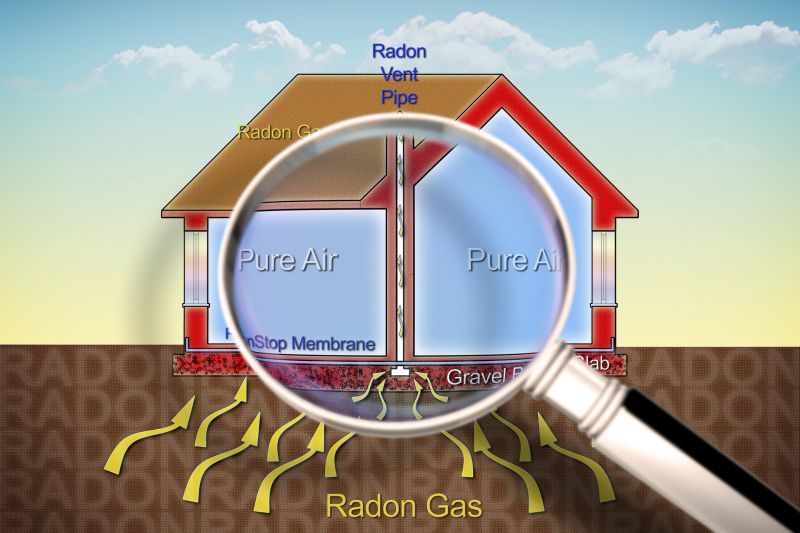
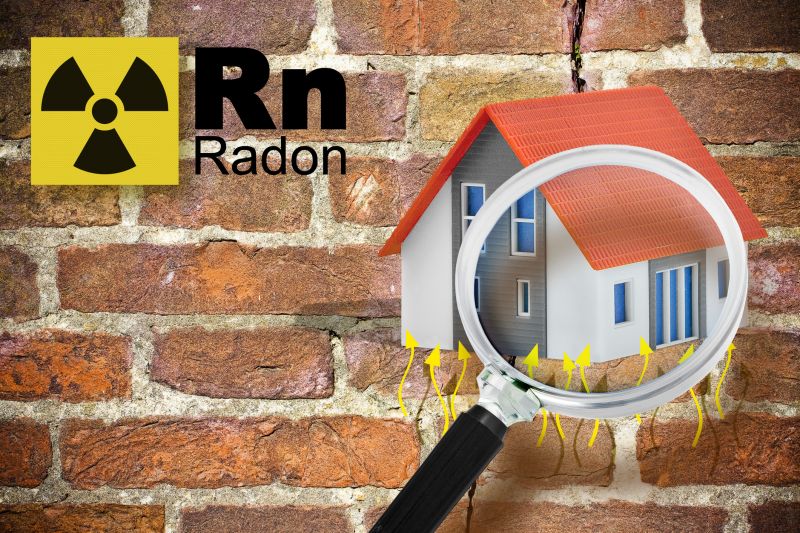

Radon gas abatement services focus on reducing radon levels within residential and commercial properties. These services typically involve identifying sources of radon entry and implementing mitigation systems designed to lower indoor radon concentrations. Common methods include installing venting systems that draw radon from beneath the building and safely vent it outside, as well as sealing entry points to prevent radon infiltration. The goal is to create a safer indoor environment by controlling radon levels to meet recommended standards, which can vary depending on local health guidelines.
Radon is a radioactive gas that naturally originates from the decay of uranium in soil and rocks. It can accumulate indoors, especially in lower levels like basements and crawl spaces, posing health risks over prolonged exposure. Radon gas abatement services help address these issues by reducing radon concentrations, thereby decreasing the potential risk of lung cancer associated with long-term exposure. These services are particularly important in areas with high radon potential, where homes and buildings are more likely to experience elevated radon levels.
Properties that commonly utilize radon gas abatement services include single-family homes, apartment complexes, and multi-unit residential buildings. Additionally, commercial properties such as office buildings, schools, and healthcare facilities may also seek radon mitigation to ensure occupant safety. Buildings with basements or lower levels that are frequently occupied are especially likely to require radon reduction measures. The need for abatement services can arise during property inspections, real estate transactions, or as part of ongoing health and safety maintenance.
Engaging with local radon gas abatement service providers can help property owners and managers address radon concerns effectively. These professionals assess the specific conditions of each property, recommend suitable mitigation strategies, and install systems designed to reduce radon levels. By partnering with experienced service providers, property owners can ensure that radon mitigation measures are appropriately tailored to their property’s needs, helping to create healthier indoor environments.
The overview below groups typical Radon Gas Abatement projects into broad ranges so you can see how smaller, mid-sized, and larger jobs often compare in Omaha, NE.
In many markets, a large share of routine jobs stays in the lower and middle ranges, while only a smaller percentage of projects moves into the highest bands when the work is more complex or site conditions are harder than average.
Initial Testing and Inspection - The cost for radon testing typically ranges from $100 to $300, depending on the size of the property and testing method used. Some providers may charge more for comprehensive or long-term tests.
Basic Mitigation System Installation - Installing a standard radon mitigation system can cost between $1,000 and $2,500. Expenses vary based on home size, foundation type, and the complexity of the installation.
Advanced or Custom Solutions - For homes requiring specialized mitigation methods, prices may range from $2,500 to $4,500 or higher. These options often include additional components or modifications for difficult layouts.
Follow-up Testing and Maintenance - Post-mitigation testing typically costs between $100 and $200. Ongoing maintenance or system adjustments may incur additional fees, depending on the service provider.
Actual totals will depend on details like access to the work area, the scope of the project, and the materials selected, so use these as general starting points rather than exact figures.
Radon Gas Abatement services involve the installation of venting systems to reduce radon levels in residential and commercial buildings. Local specialists can assess and implement effective mitigation strategies for indoor air quality.
Radon Testing and Inspection services identify radon concentrations within properties, helping homeowners and property managers understand potential health risks. Certified inspectors provide accurate measurements to inform mitigation needs.
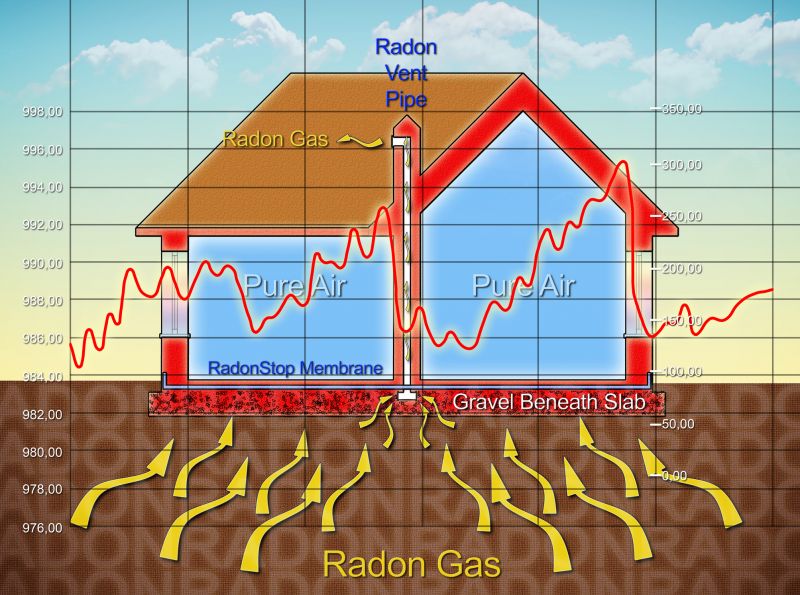
Sub-Slab Depressurization Systems are commonly recommended solutions to vent radon gas from beneath building foundations, preventing it from accumulating indoors. Local contractors can design and install these systems tailored to specific properties.
Sealing and Encapsulation services involve sealing entry points to radon entry pathways, reducing gas infiltration. Professionals can evaluate and implement sealing strategies as part of a comprehensive radon mitigation plan.
Soil Venting Systems are used to vent radon gas from soil beneath structures, minimizing indoor radon levels. Local providers can recommend and install appropriate venting solutions for various building types.
Indoor Air Quality Improvement services focus on reducing radon exposure through a combination of ventilation and mitigation techniques. Experts can advise on effective methods to maintain healthier indoor environments.
Radon gas abatement services vary in experience among local contractors. Homeowners should consider how long a provider has been performing radon mitigation work in the Omaha area or surrounding communities. Experienced professionals are more likely to have encountered a range of home configurations and radon levels, which can contribute to more effective and reliable mitigation solutions. When evaluating options, it can be helpful to inquire about a contractor’s background in radon reduction projects and their familiarity with local building styles and soil conditions.
Clear communication and well-defined expectations are essential when working with radon abatement specialists. Reputable providers typically outline the scope of work, the methods they plan to use, and any necessary preparations or follow-up steps. Homeowners should seek contractors who are transparent about their processes and willing to answer questions, ensuring there is a mutual understanding of what the project entails. Establishing open lines of communication early can help prevent misunderstandings and ensure the mitigation process proceeds smoothly.
Reputation and references play a key role in selecting a radon gas abatement service. Homeowners are encouraged to seek out local providers with positive reviews or to request references from previous clients. Reputable professionals often have a track record of satisfied customers and can provide insights into their reliability and quality of work. Gathering feedback from past clients can help determine if a contractor maintains high standards and consistently delivers satisfactory results. It’s important to remember that this resource introduces local options and is not the contractor, so prospective clients should conduct their own research and verification before making a selection.
Property owners in Omaha, NE use Radon Gas Abatement services for practical projects around their homes and businesses. The sections below highlight everyday jobs and straightforward project options.
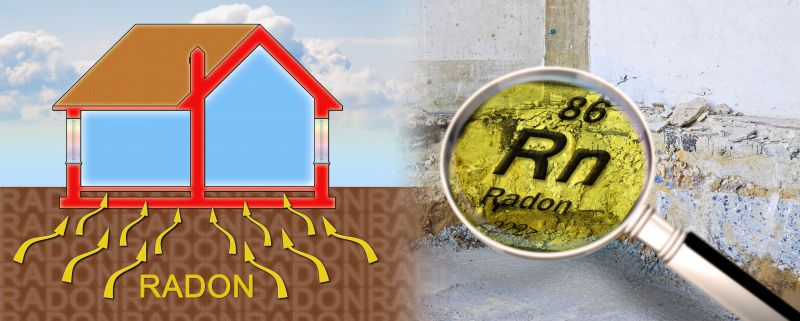
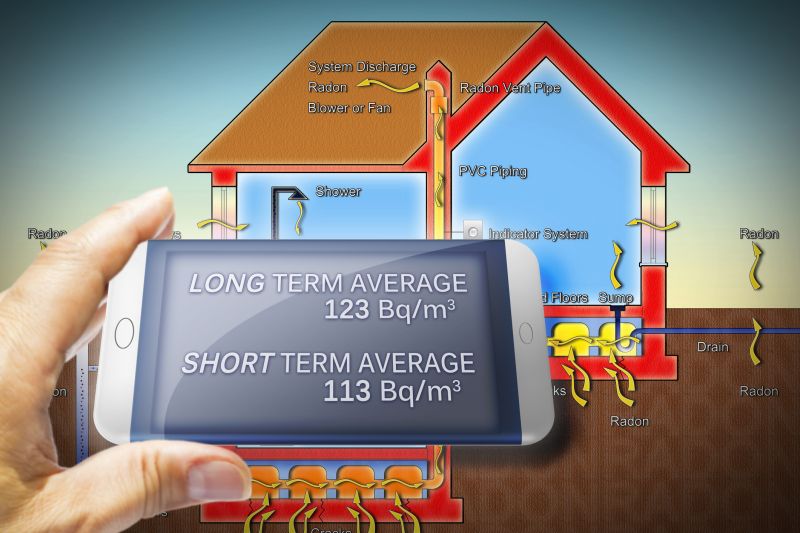
Radon gas abatement services are often sought by property owners in Omaha, NE who are concerned about indoor air quality and potential health risks. Homes and buildings that have basements or are built on certain types of soil may be more susceptible to elevated radon levels. Property owners might consider radon mitigation when they notice a musty smell, experience unexplained health issues, or want to ensure their living or working spaces are safe and comfortable.
In many cases, Omaha residents turn to local specialists to evaluate radon levels and implement effective reduction methods. Whether for new construction, existing homes, or commercial properties, professional radon abatement services can help reduce indoor radon concentrations. Contacting experienced providers can assist property owners in making informed decisions about their indoor environment and addressing radon concerns appropriately.
What is radon gas abatement? Radon gas abatement involves reducing radon levels in indoor spaces through specialized mitigation techniques. Local service providers can assess and install solutions to lower radon concentrations. Contact professionals to learn about available options in your area.
Why is radon gas abatement important? Elevated radon levels can pose health risks over time. Radon mitigation services help lower indoor radon concentrations, promoting healthier living environments. Reach out to local experts to discuss radon reduction strategies.
How do radon mitigation systems work? Radon mitigation systems typically vent radon gas from beneath the building to the outside, preventing it from accumulating indoors. Local specialists can evaluate your property and recommend suitable mitigation methods.
Can radon levels be tested before abatement? Yes, radon testing is recommended to determine indoor radon levels. Many service providers offer testing services or can guide homeowners on proper testing procedures. Contact local pros to arrange testing and discuss mitigation options.
How long does radon gas abatement typically take? The duration varies depending on the property's size and the mitigation system installed. Local radon service providers can provide estimates based on specific situations. Reach out to discuss your property's needs.
Radon Testing Services - Local professionals offer comprehensive radon testing to identify indoor radon levels and ensure safety.
Radon Mitigation Solutions - Experienced service providers can install effective systems to reduce radon concentrations in residential and commercial properties.
Preventive Radon Strategies - Experts can assess properties and recommend measures to minimize radon entry and buildup over time.
Radon Monitoring Options - Continuous radon monitoring services are available to track radon levels and maintain a safe indoor environment.
Considering Radon Gas Abatement for a property in Omaha, NE? The sections above highlight common project types, practical options, and details that often shape the scope of work.
When you are ready, use the quote form to share a few details about your project. Local pros can review the basics and respond with options that match what you have in mind.