Radon Gas Abatement in Chicago, IL
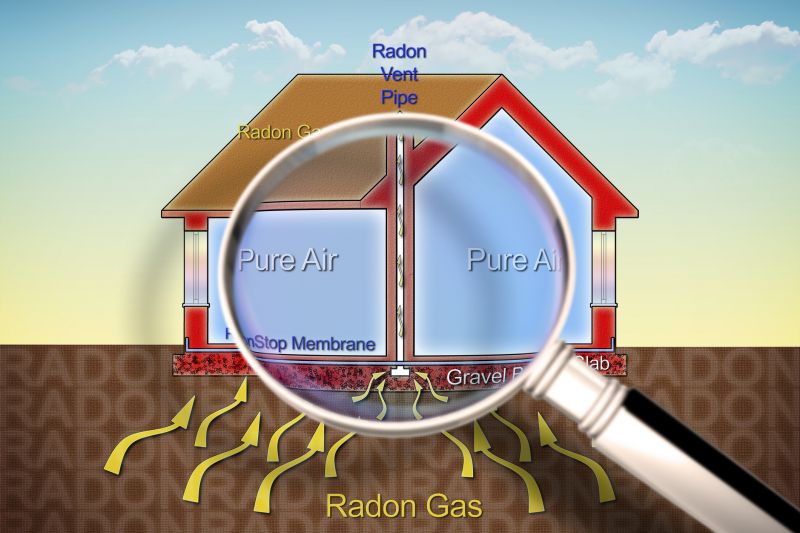
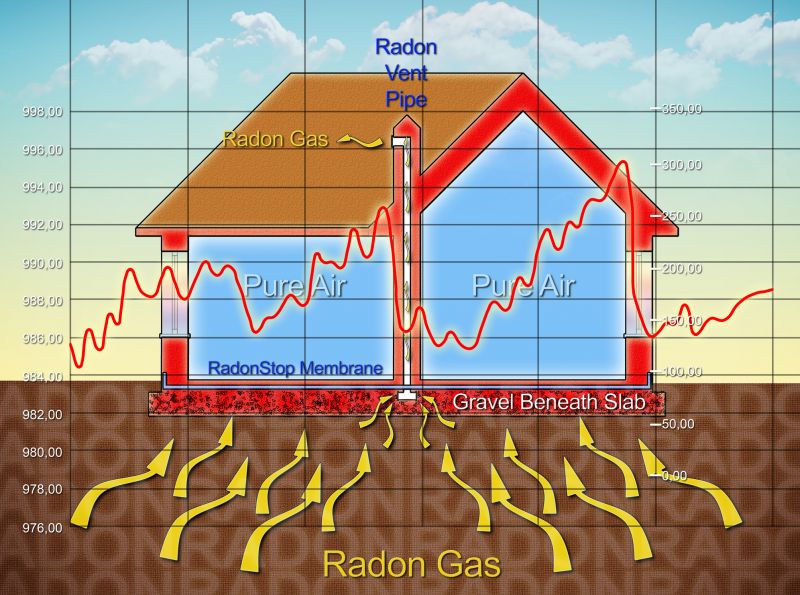
Radon gas abatement services focus on reducing elevated levels of radon, a naturally occurring radioactive gas that can accumulate indoors and pose health risks to residents. These services typically involve identifying sources of radon infiltration and installing specialized ventilation and sealing systems to prevent radon from entering living spaces. Projects often include testing existing homes or buildings to determine radon levels and implementing mitigation solutions tailored to the property's structure and layout, ensuring a safer indoor environment.
Property owners usually seek radon abatement when testing indicates high radon levels or as a preventative measure during home renovations or real estate transactions. Before requesting this service, it is helpful to understand the current radon levels, the layout of the property, and any specific concerns about indoor air quality. Clarifying these details can assist in selecting the most effective mitigation approach and ensuring the indoor environment remains safe for occupants.
Many property owners in Chicago, IL look into Radon Gas Abatement for repairs, replacements, upgrades, and appearance-related improvements.
Radon Gas Abatement Services
Examples of radon gas abatement work property owners may explore in chicago, il.
Radon Gas Abatement Updates
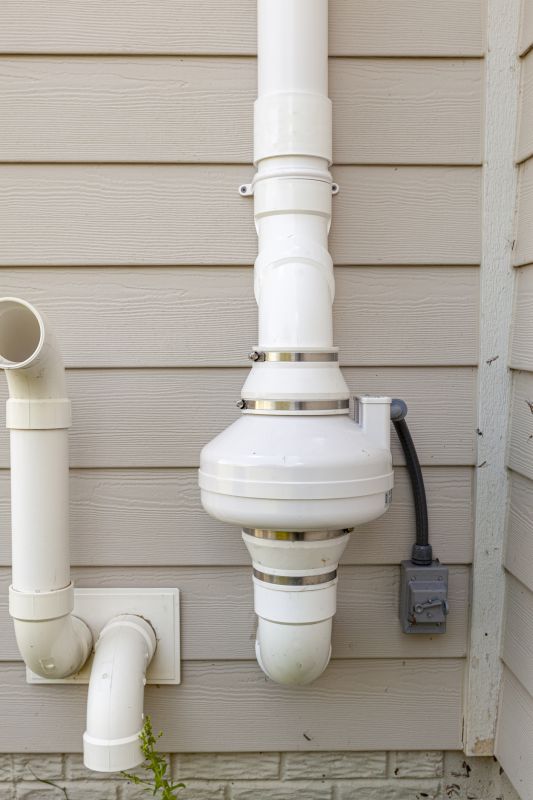
Common ways people refresh, improve, or restore radon gas abatement features in chicago, il.
Radon Gas Abatement Options
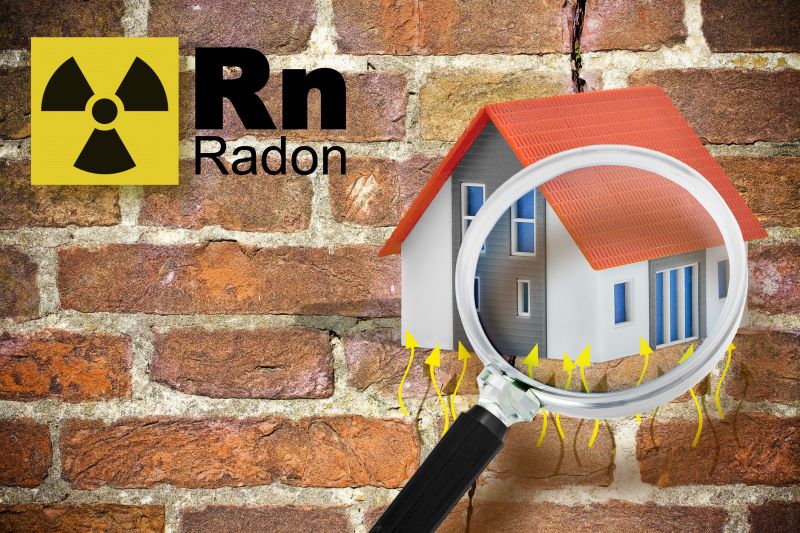
Different styles, layouts, and finishes people consider for radon gas abatement in chicago, il.
Radon Gas Abatement in Chicago, IL

Radon gas abatement services focus on reducing elevated levels of radon, a naturally occurring radioactive gas that can accumulate indoors and pose health risks to residents. These services typically involve identifying sources of radon infiltration and installing specialized ventilation and sealing systems to prevent radon from entering living spaces. Projects often include testing existing homes or buildings to determine radon levels and implementing mitigation solutions tailored to the property's structure and layout, ensuring a safer indoor environment.
Property owners usually seek radon abatement when testing indicates high radon levels or as a preventative measure during home renovations or real estate transactions. Before requesting this service, it is helpful to understand the current radon levels, the layout of the property, and any specific concerns about indoor air quality. Clarifying these details can assist in selecting the most effective mitigation approach and ensuring the indoor environment remains safe for occupants.
Many property owners in Chicago, IL look into Radon Gas Abatement for repairs, replacements, upgrades, and appearance-related improvements.
Common Radon Gas Abatement Jobs
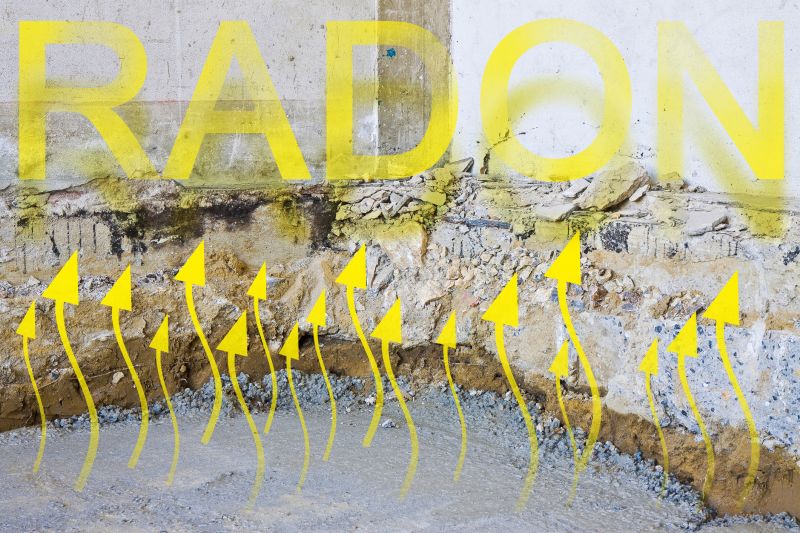
Radon mitigation systems - installed to reduce radon levels in residential and commercial properties.
Sub-slab depressurization - a common method to draw radon gas away from indoor spaces.
Sealing cracks and entry points - helps prevent radon from entering through foundation openings.
Ventilation improvements - enhance airflow to lower radon concentrations indoors.
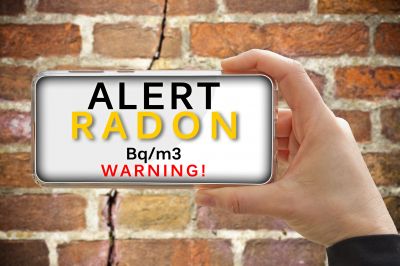
Radon testing and monitoring - ensure levels remain within safe limits after abatement.
Foundation sealing projects - address structural gaps that allow radon infiltration.

Radon Gas Abatement Questions
What is radon gas abatement? Radon gas abatement involves reducing radon levels in a property to improve indoor air quality and safety.
How do radon mitigation systems work? These systems typically vent radon from beneath the building to the outside, preventing it from accumulating indoors.
Which properties need radon gas abatement? Homes and buildings with elevated radon test results or those in areas known for higher radon levels may require mitigation.
Is radon gas abatement a permanent solution? Properly installed systems are designed to provide ongoing reduction of radon levels in a property.
Request Radon Gas Abatement in Chicago, IL
Use the quote form on this page to share the basics of your project and request more information for the type of work you need.