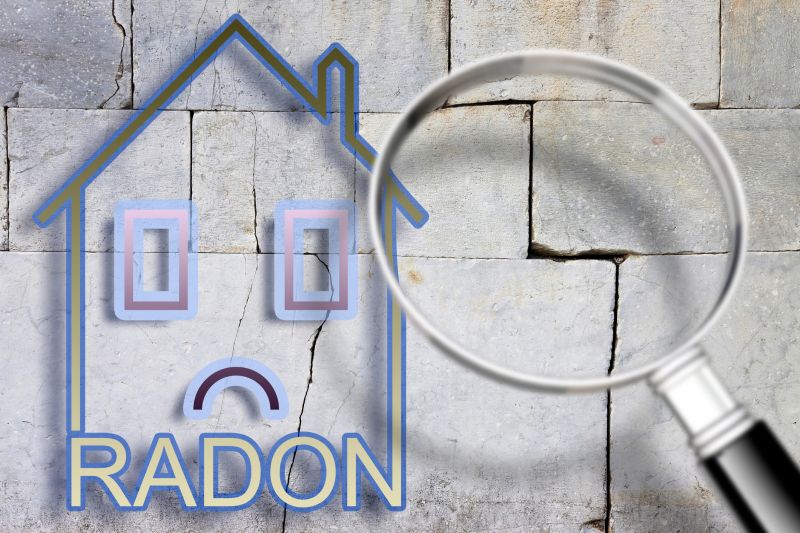
Radon Analysis in Chicago, IL
Radon analysis services involve testing residential properties to measure the levels of radon gas present in the indoor environment. This service is commonly requested during home inspections, prior to purchasing a property, or when homeowners want to assess the safety of their living spaces. Radon is a colorless, odorless gas that can accumulate in enclosed areas, and understanding its concentration helps property owners determine if mitigation measures are necessary to reduce health risks associated with long-term exposure.
Homeowners typically seek radon analysis to evaluate the safety of basements, crawl spaces, or entire homes, especially in regions where radon levels tend to be higher. Before requesting testing, property owners often want to know the best locations for placement of testing devices, the duration of testing periods, and how results will impact decisions about ventilation or mitigation solutions. Accurate testing provides essential information for making informed choices about indoor air quality and long-term health considerations.
Many property owners in Chicago, IL look into Radon Analysis for repairs, replacements, upgrades, and appearance-related improvements.
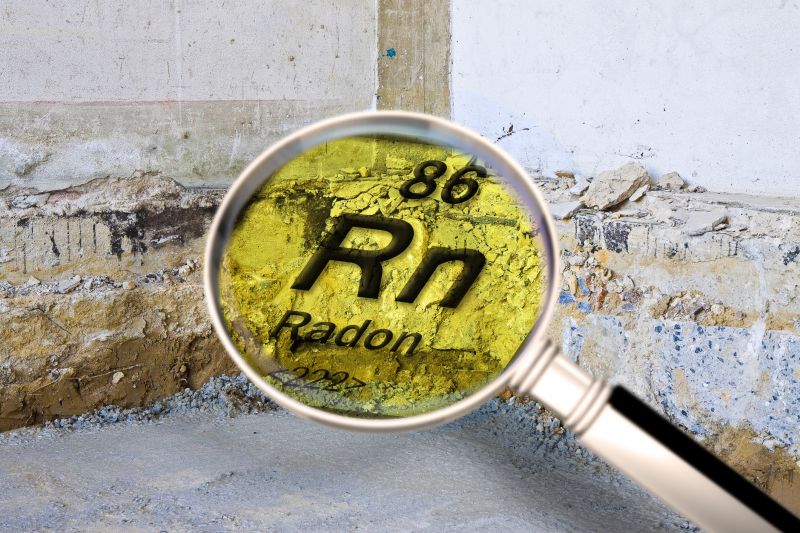
Radon Testing For Homes
Ensuring your chicago property is safe from elevated radon levels.
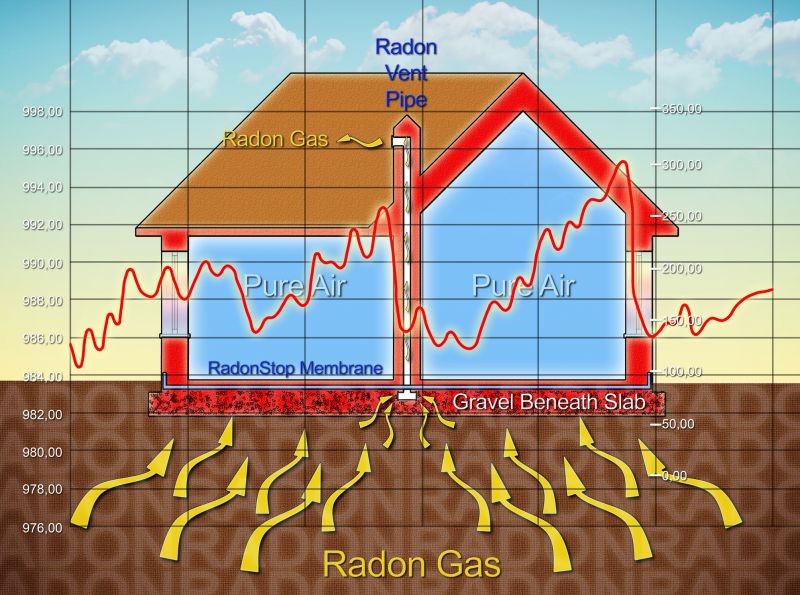
Radon Level Assessment
Accurate measurement of radon concentrations in residential and commercial spaces.
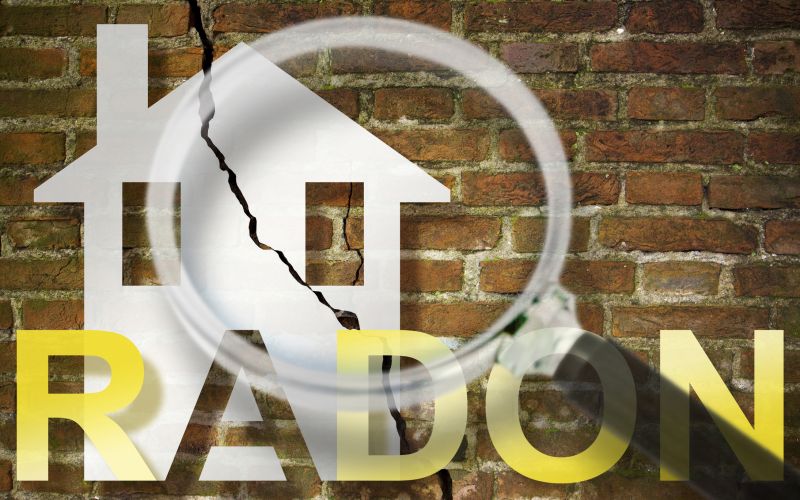
Radon Mitigation Support
Guidance on reducing radon levels to protect your family and property in chicago area.
Radon Analysis in Chicago, IL

Radon analysis services involve testing residential properties to measure the levels of radon gas present in the indoor environment. This service is commonly requested during home inspections, prior to purchasing a property, or when homeowners want to assess the safety of their living spaces. Radon is a colorless, odorless gas that can accumulate in enclosed areas, and understanding its concentration helps property owners determine if mitigation measures are necessary to reduce health risks associated with long-term exposure.
Homeowners typically seek radon analysis to evaluate the safety of basements, crawl spaces, or entire homes, especially in regions where radon levels tend to be higher. Before requesting testing, property owners often want to know the best locations for placement of testing devices, the duration of testing periods, and how results will impact decisions about ventilation or mitigation solutions. Accurate testing provides essential information for making informed choices about indoor air quality and long-term health considerations.
Many property owners in Chicago, IL look into Radon Analysis for repairs, replacements, upgrades, and appearance-related improvements.
Common Radon Analysis Jobs
Radon testing - measures indoor radon levels to assess potential health risks.
Radon mitigation system installation - reduces radon concentrations in homes with elevated levels.
Pre-sale radon inspections - evaluates radon levels before property transactions.
Post-mitigation testing - verifies the effectiveness of radon reduction systems.
Indoor air quality assessments - identify radon as part of overall home health evaluations.
Radon monitoring services - provide ongoing tracking of radon levels over time.

Radon Analysis Questions
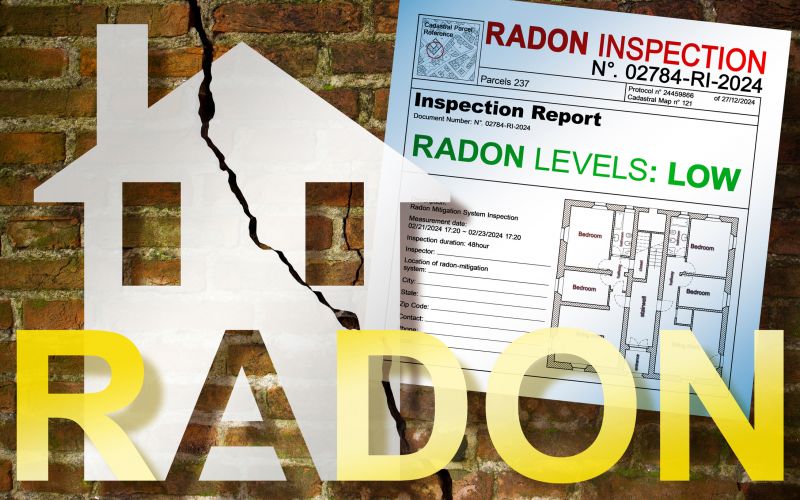
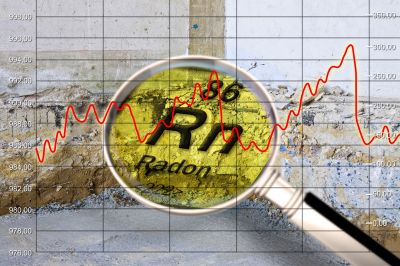
What is radon analysis? Radon analysis involves testing for the presence of radon gas in a property to assess indoor air quality and potential health risks.
When should homeowners consider radon testing? Testing is recommended when purchasing a new home, after renovations, or if radon levels are suspected to be high in the area.
How is radon analysis conducted? The process typically involves placing a testing device in the property for a specified period to measure radon levels accurately.
What are common reasons for radon analysis requests? Property owners often request testing before selling, after remodeling, or to ensure safe indoor air quality in their homes.
Request Radon Analysis in Chicago, IL
Use the quote form on this page to share the basics of your project and request more information for the type of work you need.